Key Takeaways
- CPNs are not legal alternatives to SSNs or ITINs and are often used in fraudulent schemes.
- Using a CPN for credit building can result in serious legal trouble, including identity theft charges.
- Legitimate credit building relies on your true identity and established financial history.
- Credit Roost strictly adheres to ethical and legal credit practices, advising against CPNs.
- Focus on proven methods like tradelines, secured cards, and credit-builder loans to build a strong, authentic credit history.
What Exactly Is a CPN (And Why Is It a Trap)?
"A CPN is a legal way to keep your finances private and start fresh."
Using a CPN to apply for credit is considered misrepresentation and often constitutes federal fraud.
Lenders rely on accurate identification. Using a substitute number to hide your history is illegal.
The Illegitimate Foundation: Why CPNs Don't Work in the US Credit System
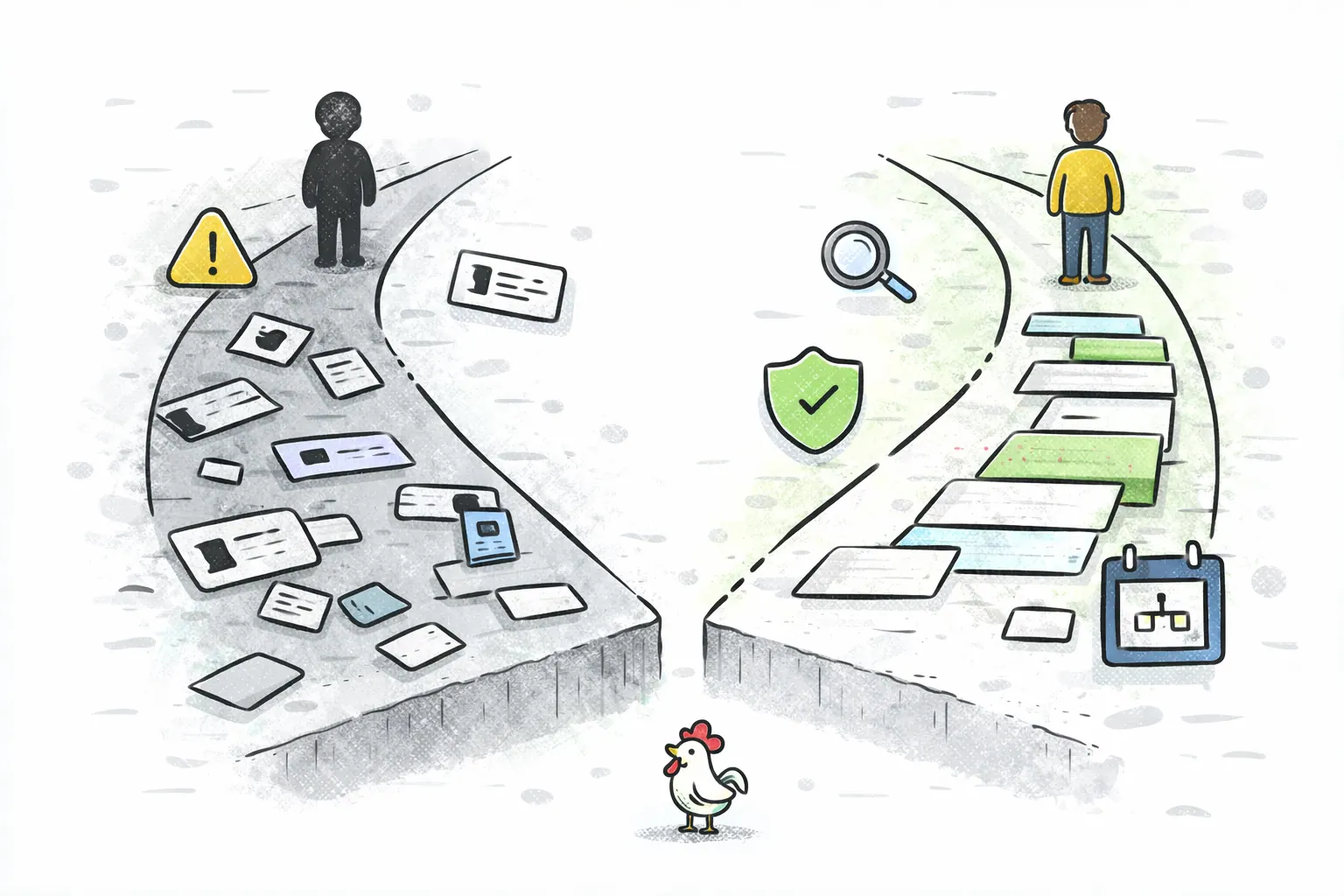
The idea that you can legally create a "new" credit identity with a CPN is a myth. There is no legitimate legal pathway to obtain or use a CPN as an alternative to your SSN or ITIN for credit purposes. The moment you use a CPN that isn't your true, legally assigned SSN or ITIN to apply for credit, you are engaged in misrepresentation and potentially identity fraud. This is why we say that CPNs are like using fake twigs to build your nest; they might look like they're holding up for a moment, but they have no real structural integrity. Eventually, the truth will emerge, and your entire financial nest will collapse, leaving you in a far worse position than when you started.
Top Warning
Selling CPNs is often prosecuted as a federal crime. Buying and using one on a credit application can make you an accomplice to fraud.
The Perilous Pitfalls: Legal Consequences of Using a CPN
The use of a CPN carries severe legal consequences. If you use a CPN that is a stolen SSN, you could be charged with identity theft, a federal crime with penalties ranging from hefty fines to significant prison time. If the CPN is a randomly generated number that eventually gets linked to another individual, the same charges can apply. Even if it's not a direct identity theft scenario, using a false identifier to obtain credit is considered fraud. You could face charges for mail fraud, wire fraud, or making false statements on a credit application.
Beyond the legal repercussions, engaging with CPNs often means dealing with unscrupulous operators who are already involved in illegal activities. These individuals are not looking out for your best interests; they are looking to profit from your desperation or lack of knowledge, leaving you exposed to further scams, financial loss, and privacy breaches.
Our Firm Stance: Why Credit Roost Rejects CPNs
At Credit Roost, our foundation is built on transparency, education, and ethical credit building. We believe in empowering you with the knowledge and tools to create a truly strong and sustainable financial future, not one based on risky shortcuts. Our commitment to consumer protection means we will never endorse, facilitate, or work with Credit Profile Numbers (CPNs).
Our stance is clear:
- CPNs are not a legitimate path to credit. They circumvent the legal and ethical processes designed to establish trust in the financial system.
- We advocate for real solutions. We focus on proven strategies that build credit honestly, reflecting your true financial identity and history.
- Your long-term financial health is our priority. Engaging with CPNs jeopardizes this health, inviting legal trouble and devastating consequences.
We would rather help you navigate the legitimate, albeit sometimes slower, path to credit success than see you fall prey to the dangerous illusion of a CPN. Our goal is to equip you with robust, real "branches" for your financial nest, ensuring it stands strong against any storm.
Building Your Nest the Right Way: Legitimate Alternatives
Instead of risking everything on fake twigs, let’s focus on building your credit the right way, with real branches, solid construction, and time-tested methods. This is where the Credit Roost philosophy truly shines: providing legitimate pathways to a strong financial nest. The fastest credible gateway to a visible credit file is often an Authorized User (AU) tradeline. This allows you to "piggyback" on the excellent payment history and low utilization of an existing, strong credit account, giving your fledgling file a much-needed boost.
- Use Authorized User tradelines for a legal boost
- Open secured credit cards in your own name
- Dispute inaccurate info on your real report
- Use a CPN to hide bad history
- Lie about your SSN on applications
- Trust companies selling "new credit profiles"
Real-Life Scenarios: Building a Stronger Nest
-
Nico, the Newcomer: Nico recently moved to the US and has no credit history. He’s heard about CPNs, but after learning the risks, he decides against them. Instead, Nico uses an AU tradeline. Within weeks, his credit report gains its first positive entry, establishing a foundation. While the tradeline provides speed and visibility, Nico understands that durable strength comes from adding his own accounts. He opens a secured credit card (Secured Cards: Your Catch-22 Breaker) and signs up for rent reporting. These new accounts, combined with the AU tradeline, begin to weave a truly strong nest of credit history, all under his real SSN.
-
Riley, the Rebuilder: Riley faced financial challenges in the past, leading to a damaged credit score. She’s rebuilding and looking for a way to accelerate the process. A CPN seems tempting, but she realizes it’s a trap. Riley, like Nico, leverages an AU tradeline (Understanding Tradelines) to add positive payment history and lower overall utilization, helping to offset some of the older negative marks. Simultaneously, she takes out a small credit-builder loan and makes sure to pay all her existing bills on time. This multi-pronged approach, focusing on legitimate tools, gives her nest a real chance to recover and flourish, without the specter of legal issues.
These real, tangible methods, Authorized User tradelines (for initial visibility), secured credit cards, credit-builder loans, and rent reporting (for durable growth), are the bedrock of responsible credit building. They are legitimate tools that empower you to establish and improve your credit score, all while operating within the bounds of the law. They are the sturdy, real branches that make a nest truly resilient.
Protecting Your True Identity: Beyond Credit Building
As you embark on your credit building journey, protecting your true identity is just as important as building your credit score. Using legitimate methods means all your financial activities are tied to your single, legal identity, which makes it easier to monitor and protect. The moment you introduce a CPN, you open yourself up to confusion, fraud, and a loss of control over your financial narrative.
Instead, focus on proactive steps to keep your information secure:
- Regularly review your credit reports: Check for any unfamiliar accounts or inquiries that could signal fraud. You can get free copies from AnnualCreditReport.com.
- Monitor your financial statements: Keep an eye on bank accounts and credit card statements for suspicious activity.
- Be cautious with your personal information: Only share your SSN/ITIN with trusted, legitimate institutions.
Action Items for Protecting Your Financial Identity
- Regularly review your credit reports for unfamiliar accounts or inquiries.
- Monitor your bank accounts and credit card statements for suspicious activity.
- Only share your SSN/ITIN with trusted, legitimate institutions.
Your Path to Authentic Financial Strength
Your journey to a stronger credit profile should be one of empowerment and clarity, not deception and risk. While the temptation of a "quick fix" like a CPN might seem appealing, remember that true financial strength comes from legitimate, transparent efforts. At Credit Roost, we are dedicated to guiding you through this process with integrity and proven strategies.
We understand that building or rebuilding credit can feel daunting, but you don't have to resort to risky shortcuts. Authorized User tradelines can serve as your fastest gateway to credit visibility, providing an immediate boost by adding positive history to your file. But remember, the ultimate strength of your financial nest comes from diligently adding your own durable builders, like secured credit cards, credit-builder loans, and consistent rent reporting. These foundational elements ensure sustainable growth and a credit profile you can truly be proud of.
Just like a master bird builder knows that only real, sturdy twigs and branches will create a resilient nest capable of weathering any storm, we know that only legitimate credit-building strategies will lead to lasting financial health. Don’t settle for fake twigs and false promises. Choose the path of honesty, consistency, and proven methods. We're here to help you gather those real branches, one by one, until your financial roost is strong, secure, and ready for whatever life brings. Your authentic financial future starts now, built on a foundation of truth and trust.
Frequently Asked Questions
1. What exactly is a Credit Profile Number (CPN)?
- A CPN is a nine-digit number that resembles a Social Security Number (SSN) but is not legitimately issued by the government. It's often falsely marketed as a legal alternative to your SSN or ITIN for building a new credit profile, but it is typically a fraudulent construct derived from stolen or randomly generated numbers.
2. Why are CPNs considered illegal or risky for building credit?
- CPNs are illegal because using them to obtain credit constitutes misrepresentation and potentially identity fraud. The U.S. credit system relies on your true, unique identifier (SSN or ITIN). Using a CPN circumvents this system and can lead to severe legal consequences, as it's often based on stolen identities or false information.
3. What are the potential legal consequences if I use a CPN to apply for credit?
- Using a CPN can lead to serious legal charges, including identity theft (a federal crime), mail fraud, wire fraud, or making false statements on a credit application. Penalties can range from significant fines to substantial prison time. Any accounts opened using a CPN will eventually be flagged and closed, leaving you with the debt and a damaged legal and financial record.
4. Are there any legitimate alternatives to CPNs for building or rebuilding credit?
- Absolutely. Legitimate methods include becoming an authorized user on an existing, strong credit account (tradelines), opening secured credit cards, taking out credit-builder loans, and reporting rent payments to credit bureaus. These methods build credit authentically under your true identity (SSN or ITIN).
5. How can I protect my identity while I'm working to build my credit?
- To protect your identity, regularly review your credit reports for unfamiliar accounts, monitor your bank and credit card statements for suspicious activity, and only share your Social Security Number (SSN) or Individual Taxpayer Identification Number (ITIN) with trusted, legitimate institutions. Proactive monitoring helps safeguard your financial narrative.
6. Does Credit Roost support or work with Credit Profile Numbers (CPNs)?
- No, Credit Roost takes a firm and unequivocal stance against CPNs. Our mission is built on transparency, education, and ethical credit building. We do not endorse, facilitate, or work with CPNs because they are not a legitimate path to credit and pose severe legal and financial risks to individuals. We focus exclusively on proven, legal strategies.