Key Takeaways
- Always ask about the tradeline's age and its current utilization rate.
- Confirm the company's posting certainty and understand their refund policy upfront.
- Inquire about fees, support channels, and the expected timeframe for reporting.
- Vet tradeline companies like you would any significant financial service provider.
- Use tradelines as a gateway, but build durable credit with your own accounts over time.
Building Your Credit Roost: Why Due Diligence Matters
You're stepping into a significant financial decision, and the goal is clear: to enhance your credit profile. The right tradeline, thoughtfully selected and properly applied, can accelerate your progress. However, a tradeline isn't a magic feather. Its effectiveness hinges on several factors, and the company you choose to work with plays a pivotal role in ensuring those factors align with your goals.
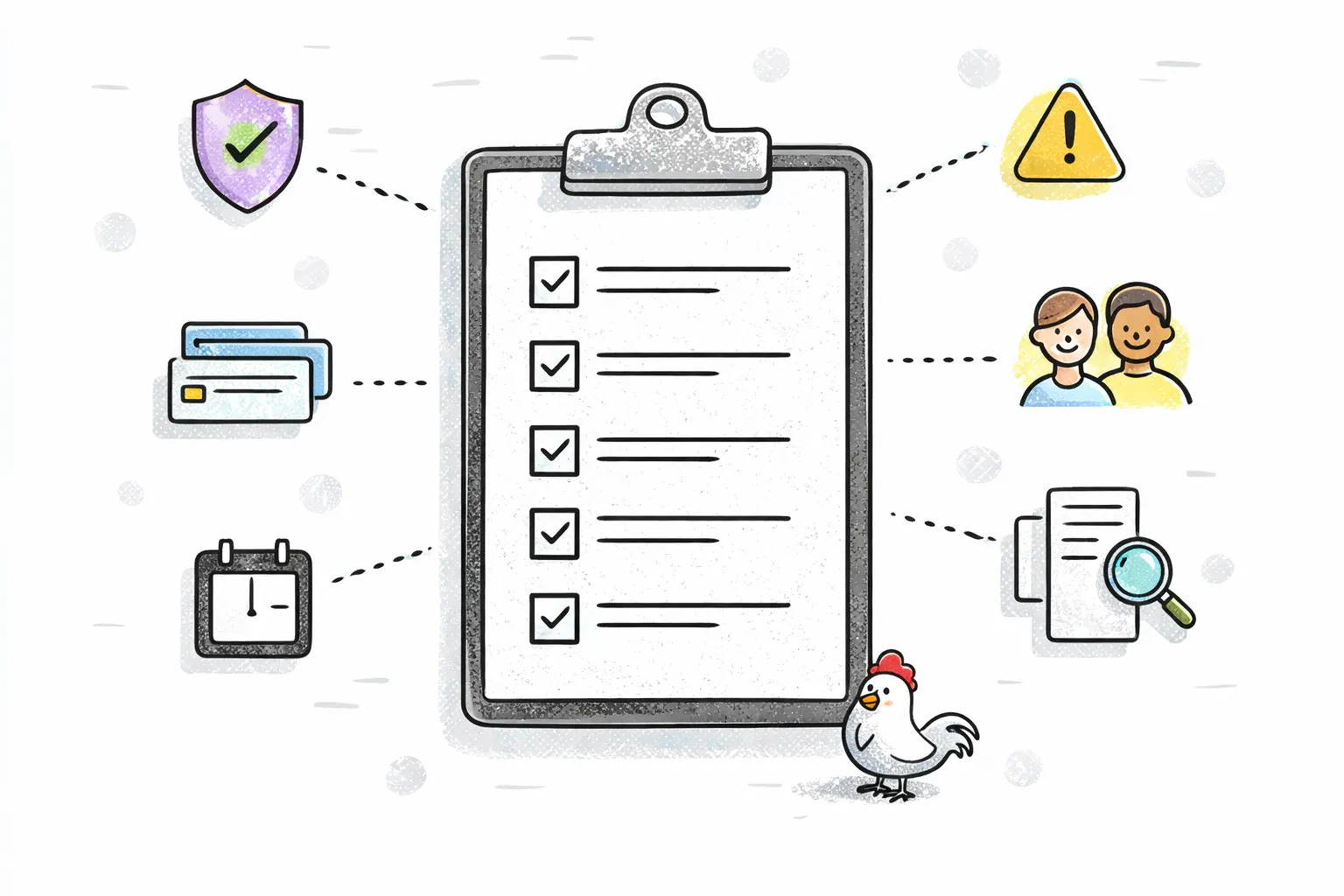
Think of it this way: you’re not just buying a service; you're investing in a piece of your financial future. Without asking the right questions, you might end up with materials that don’t quite fit your nest, or worse, branches that crumble under pressure. This guide is designed to empower you with the essential questions to ask, helping you sift through potential providers and identify those committed to genuine transparency. It's about protecting your credit and making sure your investment yields the strong, durable results you're aiming for. Before you commit, let's look at the foundational questions that will reveal the true quality of the 'nest materials' on offer.
The Foundational Four: Essential Questions for Any Tradeline Company
1. What is the Age of the Account?
The age of a tradeline, also known as its credit history length, is one of the most impactful factors on your credit score. Lenders and credit scoring models favor older accounts because they demonstrate a longer track record of responsible credit use. A seasoned account adds stability to your credit file, much like an ancient, strong oak branch fortifying a nest.
- Why ask? You want a tradeline that significantly increases your average account age. A very new account, even with excellent history, might not provide the boost you anticipate. Ask for the original open date of the primary account. Be wary if this information is vague or withheld.
2. What is the Current Utilization Rate?
- Why ask? A tradeline with a high utilization rate (e.g., a card maxed out) could actually harm your credit score, negating any benefit from the account's age. Insist on knowing the typical utilization maintained on the account. Reputable companies often offer tradelines with consistently low, healthy utilization to maximize their positive impact. Transparency here is non-negotiable.
3. How Certain is the Posting, and What is the Reporting Process?
- Why ask? You need to know that the tradeline will post reliably and to which credit bureaus. Ask about the bank associated with the tradeline, their typical reporting cycle, and how they ensure posting certainty. A trustworthy company will have a clear process and strong relationships with primary cardholders to minimize the risk of non-posting. This is where understanding potential pitfalls, like those discussed in Non-Posting Tradelines? And How to Avoid Them, becomes vital.
4. What is Your Refund Policy?
Even with the best intentions, sometimes things don't go as planned. A tradeline might not post as expected, or it might not have the attributes (like low utilization) that were promised. A clear and fair refund policy protects your investment.
- Why ask? Understand the conditions under which you can receive a refund. Is it a full refund? Is there a time limit? What if it posts but the utilization is higher than advertised? A company that stands behind its service will offer a transparent and reasonable refund policy, providing peace of mind. This demonstrates their commitment to client satisfaction and their confidence in the service they provide.
Tradeline
A record of activity for a credit account, showing details like account type, open date, credit limit, current balance, and payment history.
In the world of credit building, an authorized user (AU) tradeline can be that sturdy, seasoned branch.
Expanding Your Inquiry: Digging Deeper for Due Diligence
- Ask for the exact age and utilization of the card
- Verify the refund policy in writing
- Check if the card posts to all 3 bureaus
- Believe promises of a "claimed" 700 score
- Pay hidden fees not disclosed upfront
- Buy from companies with no customer support
5. What is the Total Cost, Including All Fees?
Transparency in pricing is paramount. You should know the exact amount you're paying and what that fee covers. Hidden charges can quickly turn a seemingly good deal into a costly mistake.
- Why ask? Request a detailed breakdown of all costs. Are there setup fees? Maintenance fees? Fees for specific reporting dates? Ensure the quoted price is the final price, with no surprises. A reputable company will provide a clear, itemized cost structure, allowing you to budget accurately.
6. What is the Expected Posting Timeframe?
Credit bureaus update reports on various cycles, and the timing of a tradeline appearing can be critical, especially if you have an upcoming financial application. Waiting indefinitely for a tradeline to post can be frustrating and counterproductive.
- Why ask? Ask for a realistic timeframe for when you can expect the tradeline to appear on your credit report. While no company can control the exact speed of the bureaus, they should be able to provide a reliable estimate based on their experience and the primary cardholder's bank's reporting schedule. This helps you plan your credit-building strategy effectively.
7. What Support and Communication Channels are Available?
Should you have questions or encounter issues, knowing how to reach the company and what kind of support to expect is crucial. A company that prioritizes customer service is often a sign of overall reliability.
- Why ask? Inquire about their customer support options (phone, email, chat). What are their operating hours? How quickly do they typically respond? What is their process for addressing non-posting issues or disputes? Accessible and responsive support ensures you're not left in the dark should a problem arise.
8. Can I See Proof of the Tradeline's History (Redacted)?
While complete credit reports are confidential, a transparent company might be able to provide redacted proof of the tradeline's positive history (e.g., a screenshot showing account age and payment history without personal identifying information). This is a strong indicator of legitimacy.
- Why ask? This isn't always possible due to privacy concerns, but if a company can offer some verifiable, anonymized proof of the account's good standing and history, it builds immense trust. It's like seeing the blueprint of the sturdy branch before you commit to using it for your nest.
Setting Realistic Expectations: Nuances of Tradeline Impact
"Tradelines claim a specific credit score increase (e.g., +100 points)."
No ethical company guarantees a score. Impact depends on your unique profile.
While tradelines add positive history, your score is calculated from many factors. Claims are a red flag.
Understanding the Nuances and Setting Realistic Expectations
Lender Discretion: While tradelines are legal and widely recognized, individual lenders retain the right to interpret credit report data as they see fit. Some lenders may weigh authorized user accounts less heavily than primary accounts, especially for larger loans. This doesn't mean tradelines don't work, but it means their impact can vary. Your tradeline company should acknowledge this and help you understand how different lenders might view an AU account.
Real-Life Scenarios: Birds Building Their Nests with Confidence
Let's bring these questions to life through a few scenarios. Imagine different birds, each with their unique nesting challenges, seeking the right branch for their future. Their due diligence pays off, thanks to transparent answers from a trustworthy tradeline company.
-
Nico, the Newcomer with a Thin File: Nico is a young bird with almost no credit history - what we call a 'thin file.' He needs to rent an apartment and get approved for a phone plan, but his lack of credit is holding him back. He's heard about tradelines as a quick way to gain visibility. Nico approaches a tradeline company.
- Nico asks: "What's the age of the oldest account you have available?" The company responds, "We have accounts open for 10-15 years, some even older, to give your file maximum age benefit." Nico feels good about this.
- Nico asks: "What's the typical utilization on these accounts?" The company confidently states, "We only offer tradelines with 1-5% utilization, ensuring a positive impact on your score." This reassures Nico that he won't be inheriting someone else's high debt.
- Nico asks: "How certain is posting, and to which bureaus?" The company explains their process: "We work primarily with banks known for reporting AU data to all three major bureaus - Experian, Equifax, and TransUnion - within 15-20 days of the statement close." This detail is crucial for Nico's time-sensitive needs.
- Nico asks: "What's your refund policy if it doesn't post?" The company clearly outlines: "If the tradeline doesn't post to at least two bureaus within 30 days, we offer a full refund, no questions asked." Nico now feels secure in his investment, knowing he's protected.
-
Riley, the Rebuilder After a Storm: Riley's credit nest suffered a storm of past financial difficulties. While she's been diligently making payments, she needs a significant positive entry to offset older negative marks and show lenders a new, responsible chapter. She's looking for a tradeline to accelerate her recovery.
- Riley asks: "I need a high credit limit to improve my utilization. What's the typical limit on the accounts you offer?" The company explains, "Many of our premium tradelines have limits between $15,000 and $30,000, which, combined with low utilization, can dramatically improve your credit utilization ratio." This provides the specific boost Riley is seeking.
- Riley asks: "What's the process for confirming the tradeline has posted?" The company details: "We provide you with a direct link to a credit monitoring service to track posting, and we're available to help interpret your updated reports." Riley appreciates this hands-on support.
- Riley asks: "Given my past, how can I be sure this will help?" The company doesn't promise specific score jumps (as no ethical company should, given the variability explained in Average Credit Score Boost from Tradelines?), but they explain: "While we can't guarantee an exact score, a long-aged tradeline with low utilization is statistically one of the strongest positive factors you can add, often counteracting older negative items more effectively than new primary accounts initially." Riley understands the realistic benefit.
-
Lena, Facing a Time-Sensitive Application: Lena needs to secure a business loan within the next two months and realizes her credit file is slightly weaker than desired. She's interested in a tradeline for a quick, impactful boost.
- Lena asks: "What's the absolute fastest you've seen a tradeline post?" The company clarifies: "While we estimate 15-20 days, some clients see posting as quickly as 7-10 days after the statement close. We can prioritize accounts with banks known for faster reporting, but we can't guarantee exact timing due to bureau processing." Lena values the honest, yet hopeful, answer.
- Lena asks: "Are there any banks you use that are known for not reporting AU data?" The company affirms, "We actively vet our tradeline sources to avoid banks with known AU non-reporting policies, ensuring higher success rates for our clients." This eliminates a major risk for Lena.
- Lena asks: "If my loan application is urgent, what's your advice?" The company advises, "We'd suggest selecting a tradeline from a bank with a consistent reporting cycle and ordering it well in advance of your application. Also, continue to focus on your own primary accounts and low utilization to maximize your overall score." Lena feels she has a partner in this urgent effort.
Your Action Plan: Scrutinizing Your 'Nest Materials'
Choosing a tradeline company isn't merely about finding a provider; it's about forming a temporary partnership built on trust and transparency. By asking the right questions, you transform yourself from a passive consumer into an informed decision-maker, fully equipped to scrutinize the 'nest materials' you're considering. Remember, a reputable company will welcome your questions, providing clear, direct, and verifiable answers.
Here’s a concise action plan to guide your due diligence:
Action Items
- Prepare Your Questions: Use the list above as your checklist, tailoring it to your specific needs and concerns.
- Document Everything: Keep a record of your conversations, including dates, names, and the answers you receive. This can be crucial if any issues arise later.
- Cross-Reference Information: If possible, do a quick online search about the banks mentioned or any specific policies. Look for reviews and testimonials, but always exercise caution and critical thinking.
- Trust Your Gut: If a company is evasive, makes unrealistic promises, or pressure you into a quick decision, consider it a red flag. Your intuition is a powerful tool in protecting your financial interests.
- Look for Clear Policies: Pay close attention to their refund policy, claims (or lack thereof, which is a good sign for score boosts), and dispute resolution process. Clarity here indicates professionalism.
Beyond the Tradeline: Nurturing Your Enduring Credit Roost
Ultimately, your credit roost is your responsibility, and adding a tradeline should be a deliberate, informed step. While authorized user tradelines serve as a fast and effective gateway to boosting your credit visibility, they are just one component of a holistic credit-building strategy. For truly durable credit growth, remember to continue nurturing your own credit accounts.
This means embracing practices like making all your payments on time, keeping your utilization low across all your credit lines, and strategically adding durable builders like secured credit cards and credit-builder loans. Consider also services like rent reporting to ensure your consistent payments contribute to your credit history. These combined efforts create a credit profile that is visible, resilient, and robust, capable of supporting your financial aspirations for years to come.
Ready to find a transparent partner for your credit journey? It's time to gather the right materials.
Disclosure
ImportantSome lenders and credit scoring models may filter out, discount, or weigh authorized user tradelines differently in their underwriting decisions. Results vary based on lender policies, the specific scoring model used, and your unique credit profile. An AU tradeline does not guarantee loan approval or any specific credit score outcome.
Frequently Asked Questions
1. Why is the age of a tradeline important?
- The age demonstrates a longer track record of responsible credit use, which lenders and credit scoring models favor, adding stability to your credit file.
2. What credit utilization rate should I look for in a tradeline?
- Ideally, you should look for a tradeline with a low utilization rate, generally under 10-30%, to maximize its positive impact on your credit score.
3. What if a tradeline doesn't post to my credit report?
- A reputable company will have a clear refund policy if the tradeline fails to post as promised, or if it doesn't meet the advertised attributes like low utilization.
4. How long does it typically take for a tradeline to appear on my credit report?
- While exact timing varies by credit bureau and bank, most companies can provide an estimate, often within 15-20 days after the statement close.
5. Can a tradeline claim a specific credit score increase?
- No ethical company can guarantee a specific score jump, as the impact varies based on your individual credit profile, existing history, and the specific credit scoring model used.
6. Are tradelines a permanent solution for building credit?
- Tradelines are best viewed as a catalyst or a 'fastest gateway' to initial credit visibility and improvement, but they are not a substitute for building your own strong, durable credit history over time with primary accounts.
Just as a wise bird meticulously selects each twig and fiber for its nest, you now possess the essential questions to choose a tradeline company with confidence and clarity. You're not just adding a branch; you're building a foundation, and that foundation must be strong, reliable, and transparent. By prioritizing due diligence and understanding the critical factors, you ensure that the tradelines you acquire genuinely contribute to a magnificent and enduring credit roost. Fly forward with confidence, knowing you've asked the right questions and made an informed choice for your financial future.