Key Takeaways
- Not all tradelines post reliably; always verify a provider's history and bank reporting practices.
- Tradelines can be removed early by the primary account holder or due to lender policy changes, impacting your temporary credit boost.
- A tradeline with poor payment history or high utilization from the primary user can negatively affect your credit score.
- Thorough due diligence, including transparent contracts and clear communication with your tradeline provider, is essential.
- Tradelines are a fast gateway, but durable credit strength comes from building your own accounts like secured cards and credit-builder loans.
The Fast Track to Credit: Understanding the Promise of Tradelines
Disclosure
NoteSome lenders and credit scoring models may filter out, discount, or weigh authorized user tradelines differently in their underwriting decisions. Results vary based on lender policies, the specific scoring model used, and your unique credit profile. An AU tradeline does not guarantee loan approval or any specific credit score outcome.
When the Branch Doesn't Take Hold: Non-Posting Tradelines
One of the most frustrating experiences in the world of tradelines is when the promised branch simply doesn't appear in your nest, a phenomenon known as non-posting. You’ve done your research, paid your fee, and waited patiently for the positive history of the authorized user account to appear on your credit report, only to find nothing. It's like finding a prime spot for a branch, securing it, and then watching it mysteriously vanish. Why does this happen?
Non-Posting Tradeline
When an authorized user (AU) tradeline fails to appear on a credit report, despite being added to an account.
In the context of authorized user tradelines, a non-posting tradeline means the credit bureaus did not receive or process the information from the bank, preventing it from appearing on the authorized user's credit file.
Several factors can contribute to a tradeline failing to post:
- Issuer Policies: Some banks are more stringent than others about reporting authorized users, especially if the AU address doesn't match the primary account holder's, or if they identify the account as being part of a 'credit piggybacking' scheme. Certain banks are known for being less reliable in reporting AUs consistently.
- Data Matching Errors: Simple errors in your personal information (name, address, Social Security Number) provided to the tradeline company can lead to the credit bureaus failing to match the tradeline to your file.
- Timing Issues: Credit bureaus only receive updates from creditors periodically. If you apply for new credit immediately after a tradeline is supposed to post but before the next reporting cycle, it might not show up in time.
- Unscrupulous Providers: Unfortunately, some less reputable tradeline companies might promise reporting that they cannot deliver, or they might not have a reliable process for ensuring proper data transmission to the bureaus.
Most issuers report on monthly cycles, so the posting timeline is easier to track as stages:
Added as AU
Provider submits your details to the issuer.
Common posting window
Many tradelines appear during the first reporting cycle.
Escalate if missing
Contact support and review refund/replacement terms if not posted.
A Sudden Gust of Wind: Early Removal of a Tradeline
Even if a tradeline posts successfully, there's always a possibility that it could be removed from your credit report sooner than anticipated. Imagine you've perfectly integrated a strong branch into your nest, only for a sudden, unexpected gust of wind to snatch it away. The temporary support it offered is gone, and your nest feels vulnerable again. This is known as early removal.
Why might a tradeline be removed early?
- Primary Account Holder Action: The primary cardholder, for various reasons, might decide to remove you as an authorized user. This is a common and often unpredictable factor, as their decision is outside your control.
- Bank Policy Changes: Credit card issuers can change their policies regarding authorized users at any time. For instance, some banks have cracked down on reporting AUs whose addresses don't match the primary's, or they might change how long AU history remains on a report after removal.
- Tradeline Company Issues: If the tradeline company facilitates the removal, perhaps due to a contract dispute with the primary account holder or internal operational problems, your tradeline could vanish.
This is the typical sequence when a tradeline posts and later disappears:
Authorized user added
Issuer updates the account roster.
Tradeline posts
Positive history appears on your report.
Removal triggered
Primary holder or issuer removes AU.
Boost fades
Line drops off your report and score normalizes.
When a tradeline is removed, the positive history associated with it typically disappears from your credit report as well. This means any credit score boost derived from that particular line could diminish or reverse, especially if you haven't built other strong accounts of your own. While the impact might not be as severe as a negative tradeline, it certainly doesn't help your long-term payment history and can set back your timeline for achieving financial goals. This is why a tradeline is best seen as a fast gateway to credit visibility, always paired with durable builders like secured cards and credit-builder loans, which empower you to create your own lasting credit history.
The Rotten Branch: Negative History on a Tradeline
Perhaps the most concerning risk of an authorized user tradeline is the potential for it to report negative information to your credit file. This is like excitedly adding a seemingly strong branch to your nest, only to discover it's rotten at the core, jeopardizing the integrity of your entire structure. While less common with reputable tradeline providers who vet their primary account holders, it's a risk you absolutely must be aware of.
"Authorized user tradelines can only help my score."
They can hurt your score if the primary account carries high utilization or late payments.
You inherit the account's full history, so negative behavior can report directly to your file.
How can a tradeline go wrong and report negative history?
- Primary User's Mismanagement: If the primary account holder misses payments, makes late payments, or allows the credit utilization ratio on the card to skyrocket (e.g., spending 90% of the available credit), this negative activity can be reported to your credit file as well. Remember, as an authorized user, you inherit the history - good or bad - of that account.
- Unexpected High Utilization: Even if payments are always on time, a sudden, large purchase by the primary user that pushes the card's utilization to very high levels can negatively impact your score. Credit utilization is a significant factor in your FICO score, and high utilization on a tradeline can drag your score down, even if your own accounts are pristine. To understand more about selecting the right kind of tradeline that protects against this, check out How to Choose a Tradeline: A Buyer's Step-by-Step Guide and learn about The Bank Behind the Tradeline: What to Consider to ensure you're choosing a reliable issuer.
Let's look at a real-life scenario where a tradeline went wrong:
- Nico, the Newcomer: Nico, a newcomer eager to quickly build his credit, found a tradeline company offering incredibly cheap lines. He didn't ask many questions, just wanted the fastest boost. After a month, he checked his credit and saw a significant drop. It turned out the primary account holder had maxed out the credit card and missed a payment, all of which reported to Nico's file. His cheap 'sturdy branch' was, in fact, rotten, damaging his nascent nest instead of building it. Nico learned the hard way that transparency and due diligence are worth every penny.
Scouting the Forest Wisely: Your Due Diligence Checklist
Research Provider
Check reviews and reputation.
Check Policies
Ask about bank reporting habits.
Review Contract
Ensure clear refund terms.
Monitor
Watch for the tradeline to post.
Here’s a practical checklist to help you choose wisely:
- Transparency from the Provider: A trustworthy tradeline company will be upfront about potential risks, their process, and the specific tradelines they offer. They shouldn't make outlandish promises or claim specific score increases.
- Clear Contracts: Always demand a written contract that outlines the terms, duration, cost, and a clear refund policy in case of non-posting or early removal. Understand what recourse you have if things go awry.
- Vetting Primary Accounts: Inquire about how the provider screens primary account holders. Reputable companies will ensure that the accounts they offer have perfect payment history and low utilization. They should be able to provide details on the account's age and limit without revealing the primary user's personal info.
- Reporting Guarantees: While no company can guarantee a tradeline will post (as it ultimately depends on the bank and credit bureaus), they should offer a clear refund or replacement policy if the tradeline fails to post within the agreed-upon timeframe.
- Customer Support: Evaluate their customer service. Can you easily reach them with questions? Do they respond promptly and clearly? Good communication is vital if you encounter issues.
Building Resilience: What Happens If Things Go Wrong?
Even with the best preparation, sometimes a branch doesn't take, or a storm blows it away. If you find yourself in a situation where a tradeline hasn't posted, is removed early, or, worst-case, is reporting negative information, don't panic. You have steps you can take to protect your credit nest:
- Contact Your Provider Immediately: This should be your first step. A reputable tradeline company should have a process in place to address these issues, whether it's re-verifying information, contacting the bank, or initiating a refund or replacement.
- Dispute Errors with Credit Bureaus: If negative information from an authorized user account appears on your report that you believe is inaccurate or shouldn't be there, you have the right to dispute it directly with the credit bureaus (Equifax, Experian, TransUnion). While disputing an AU account can be more complex, persistence is key.
- Monitor Your Credit Report: Regularly checking your credit reports (you're entitled to free annual reports from AnnualCreditReport.com) is crucial to catch any issues early. This allows you to react quickly if a tradeline doesn't post or if negative information appears. This vigilance helps you keep an eye on your nest, ensuring all branches are where they should be.
Use this quick decision flow if something looks off:
Did the tradeline post cleanly?
Here's an example of a proactive response:
- Riley, the Proactive Builder: Riley was rebuilding her credit after some tough years. She carefully selected a tradeline, asking all the right questions. When it failed to post after the expected cycle, she immediately contacted her provider, who quickly discovered a minor SSN mismatch. The provider corrected it, and the tradeline posted the next cycle. Riley's due diligence and quick action saved her from significant frustration and delay, proving that even a small hiccup can be overcome with a clear process.
Beyond the Quick Fix: Durable Nest Building for Lasting Strength
While authorized user tradelines can be an incredibly fast gateway to credit visibility, helping you establish a base or quickly boost your score, it's vital to remember they are just one tool in your credit-building arsenal. True, durable strength in your credit nest comes from nurturing your own accounts and consistently demonstrating responsible financial behavior. Just as a bird builds its nest with many twigs and branches, your credit profile should be a diverse and robust collection of your own credit experiences. This approach provides quick clarity now and durable credit growth next.
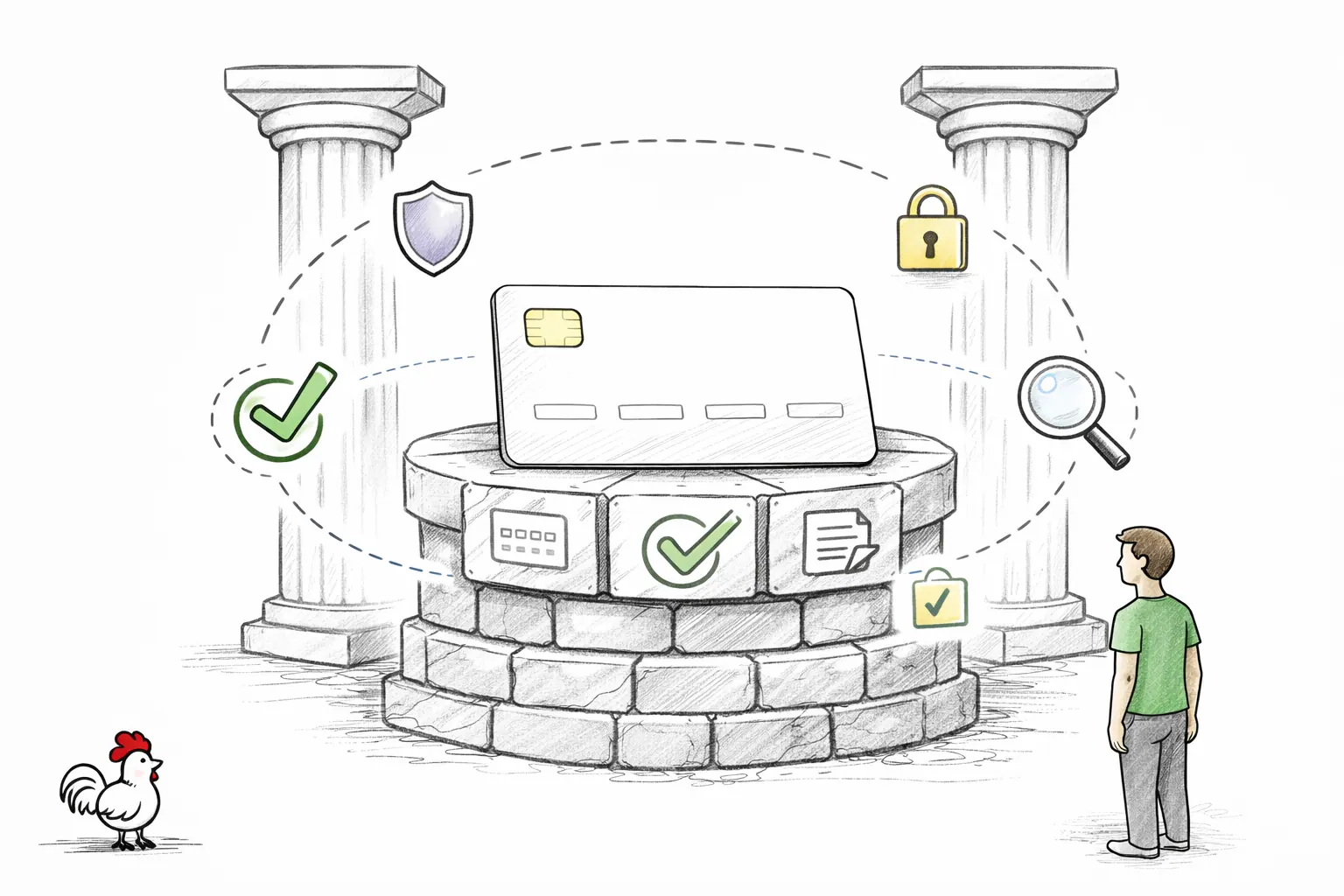
Think of tradelines as a powerful temporary scaffold that helps you reach new heights quickly. But once you're up there, you need to start laying the groundwork for permanent structures. This means building your own, independently managed credit accounts that reflect your payment history and your utilization habits. Consider these durable builders:
- Secured Credit Cards: These require a security deposit but report to credit bureaus, allowing you to build your own payment history safely. For newcomers, secured cards are the easiest way to hatch your credit.
- Credit-Builder Loans: These are specifically designed to help you build credit by demonstrating responsible loan payments, with the funds often held in a savings account until the loan is paid off.
- Rent Reporting Services: Many services can now report your on-time rent payments to credit bureaus, turning a regular expense into a powerful credit-building asset.
- Verify the provider's history and reviews
- Ask about the issuing bank's reporting habits
- Get a written contract with refund terms
- Monitor your credit report for changes
- Rely on verbal claims of score increases
- Ignore the risk of non-posting tradelines
- Pay upfront without understanding the refund policy
- Assume all tradelines post to all bureaus
Building a strong credit profile is an empowering journey, but it requires both strategic action and careful protection. While the allure of a quickly added tradeline can provide an immediate foundation, understanding the potential storms, non-posting, early removal, or negative history, is crucial. By embracing due diligence, asking the right questions, and partnering with transparent providers, you can significantly reduce these risks. Remember, a tradeline is a powerful, fast gateway, but the truly resilient nest is one you continuously fortify with your own responsible financial habits and accounts. With this balanced approach, you can confidently build a credit profile that stands strong, no matter what winds may blow.
Frequently Asked Questions
- What is a tradeline?
- An authorized user (AU) tradeline refers to an existing credit account on which someone (the authorized user) is added, granting them the ability to benefit from the primary account holder's positive payment history and low credit utilization, which then reports to their own credit report.
2. What are the main risks when using a tradeline to boost credit?
- The primary risks include the tradeline failing to post to your credit report (non-posting), the tradeline being removed early by the primary account holder or bank, and the possibility of negative information (like missed payments or high utilization) from the primary account holder reporting to your credit file.
3. Why might a tradeline not post to my credit report?
- Non-posting can occur due to bank policies that restrict AU reporting, data matching errors with your personal information, timing issues with credit bureau reporting cycles, or working with an unreliable tradeline provider who cannot deliver on their promises.
4. Can a tradeline be removed from my credit report early?
- Yes, a tradeline can be removed early if the primary account holder decides to remove you as an authorized user, if the issuing bank changes its policies regarding AU reporting, or if there are issues with the tradeline company facilitating the arrangement. This can result in the loss of the credit boost it provided.
5. How can a tradeline negatively affect my credit score?
- If the primary account holder on the tradeline you're attached to incurs missed payments, makes late payments, or carries a very high credit utilization ratio, that negative activity can be reported to your credit file and adversely affect your own credit score.
6. What should I do if my tradeline doesn't post or reports negatively?
- First, contact your tradeline provider immediately to understand the issue and seek a resolution, refund, or replacement. If negative information is reported inaccurately, you may need to dispute it directly with the credit bureaus. Regularly monitoring your credit reports can help you catch these issues early.
7. How can I protect myself when buying a tradeline?
- Protect yourself by practicing thorough due diligence: choose transparent and reputable providers, demand clear written contracts, inquire about how they vet primary accounts for good history and low utilization, and confirm their refund/replacement policies for non-posting issues. Always ask comprehensive questions before committing.