Key Takeaways
- Tax planning is a year-round cash flow issue, not just a filing season task.
- Withholding, estimated payments, and credits affect how much money you keep during the year.
- Canceled debt can create a Form 1099-C and may increase your tax bill.
- A tax bill is easier to manage when it is built into your spending plan early.
- Side income, investment sales, and retirement choices can change what you owe.
Proactive Tax Management: Mastering Your Withholding and Credits
Start here: stop treating your paycheck withholding like a fixed setting. Your tax withholding controls how much money leaves each paycheck before you ever see it, so it has a direct effect on your monthly cash flow.
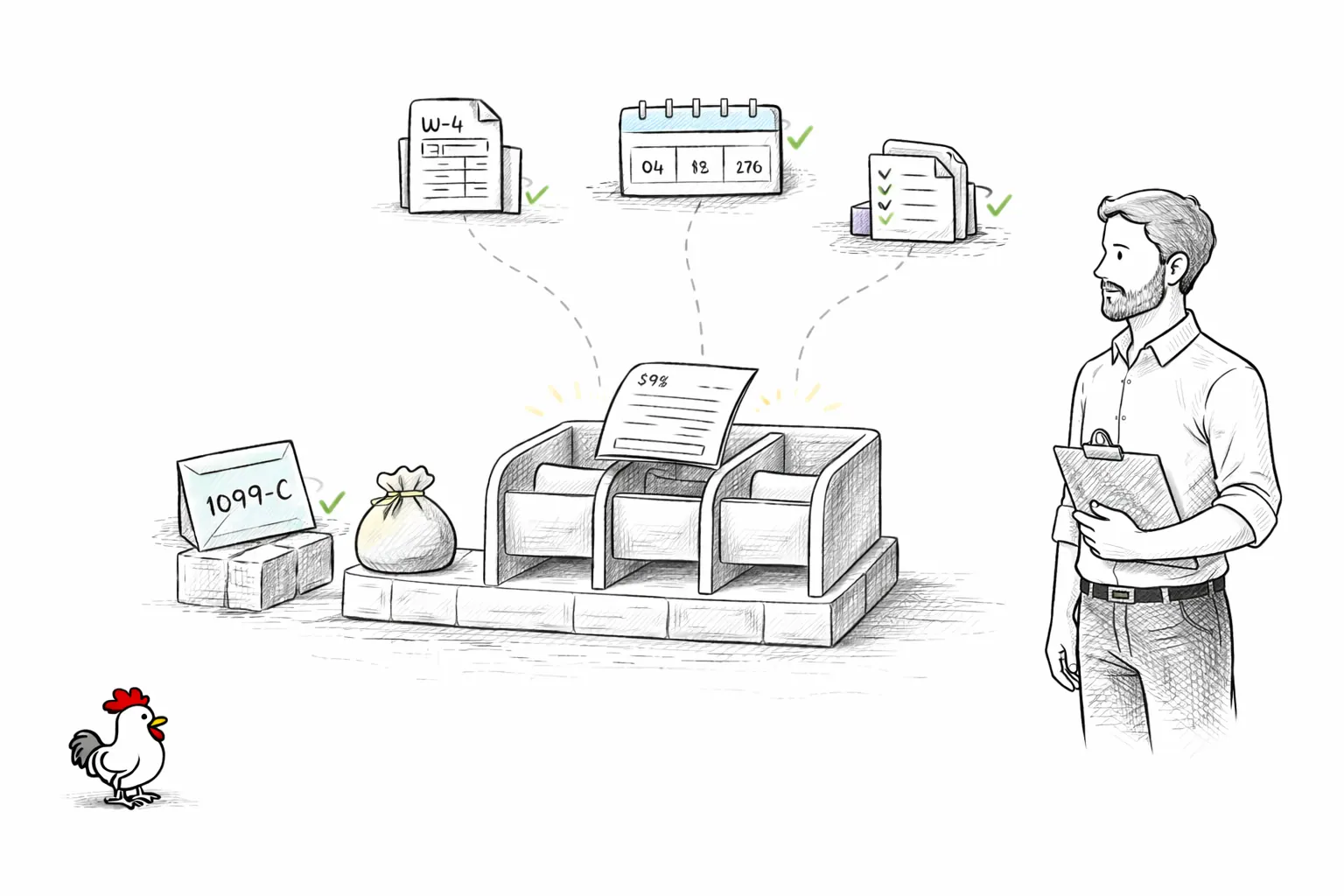
If too much is withheld, a large refund may feel good later, but you spent the year working with less money than you actually needed to. If too little is withheld, the extra take-home pay can feel helpful in the short term, but it can turn into a stressful balance due when you file.
What you want is withholding that matches your real situation closely enough that your cash flow stays predictable. Raises, side income, marriage, a new child, and major deduction changes are all good reasons to review it.
Tax credits and deductions matter here too, but they do different jobs. Deductions reduce taxable income. Credits reduce the tax bill itself. Some credits are even refundable, which means they can still put cash back in your pocket. When cash flow is tight, that distinction matters.
How Tax Timing Changes Cash Flow
| Tax move | What usually changes |
|---|---|
| Higher withholding | Smaller paycheck now, but less risk of a large balance due later. |
| Lower withholding | More take-home pay now, but more risk if the number is no longer accurate. |
| Estimated payments | Moves taxes into planned installments for income that has no automatic withholding. |
This gets more real if you earn freelance income, contract income, or irregular bonuses. Money that looks available may already have a future tax claim attached to it. If you do not separate that cash early, it is easy to use it for everyday expenses and then scramble when the deadline shows up.
The Surprising Tax Impact of Debt Forgiveness (Form 1099-C)
When a creditor cancels enough debt, it may send Form 1099-C. That form can turn forgiven debt into taxable income, which means a debt settlement that feels like relief today can produce a tax bill later.
That does not mean every canceled debt automatically becomes tax you must pay in full. Some situations have exceptions. But it does mean you should never assume a settlement is finished the day the balance is reduced.
Before you agree to a settlement, ask one extra question: if this debt is settled, what could it do to my taxes next year? That gives you time to hold back cash, adjust your withholding, or avoid spending the savings from the settlement too quickly.
If you spend the settlement savings immediately and the 1099-C arrives later, the relief can turn into a new cash-flow problem.
Why This Catches People Off Guard
A debt settlement can lower what you owe a creditor and still create taxable income later. The settlement may solve one cash problem while creating another if you do not plan ahead.
Integrating Tax Strategy with Your Secure Spending Plan
Usually, the most useful upgrade here is simply building taxes into your normal monthly system.
Once you treat taxes as part of your routine cash planning, a tax bill becomes less of a crisis and more of a line item. That shift matters because surprise bills often create ripple effects: missed payments, new card balances, or rushed borrowing.
It also helps you decide in advance whether a refund should go to debt payoff, emergency savings, or another deliberate priority.
When income changes
Recheck withholding after a raise, bonus, new job, or household change.
During the year
Set part of freelance or contract income aside before you spend it.
Before filing season
Project whether you are likely to owe so you can adjust early.
After filing
Use what you learned this year to adjust next year while the numbers are fresh.
Year-round tax check-ins
- Review withholding after a raise, bonus, or household change.
- Reserve part of side income before using it for regular spending.
- Estimate whether you are likely to owe before filing season arrives.
- Choose ahead of time where a refund should go if one comes back.
Beyond the Basics: Advanced Tax Planning Considerations
Once you have withholding and debt settlement in view, the next step is paying attention to the other financial decisions that can quietly change what you owe.
Look at bigger money moves before you make them, not after. A bonus, a property sale, a withdrawal from a retirement account, or a year of stronger freelance income can all change the math. If the decision affects this year's taxable income, your monthly plan should reflect that before the bill arrives.
When a tax bill may be building
- Check the tax impact before selling investments or taking withdrawals.
- Set aside part of irregular income as soon as it arrives.
- Revisit your monthly plan before a large balance turns into a scramble.
- Assume every extra dollar is safe to spend immediately.
- Wait until filing season to think about a predictable tax change.
- Ignore a growing tax balance while penalties keep building.
That kind of quick triage keeps manageable tax planning separate from the decisions that need immediate action.
Could this money move change your taxable income this year?
The same principle applies if you fall behind on taxes. Avoiding the issue usually makes the pressure worse. A realistic payment arrangement is often easier to manage than letting penalties and stress build in the background.
You do not need perfect tax planning. You need enough visibility to stop getting blindsided. When you know which decisions can change your tax bill, it is easier to make calmer choices about saving, borrowing, and timing.
Frequently Asked Questions
1. Is a big tax refund always a good thing?
- Not necessarily. A large refund can mean too much tax was withheld during the year. Some people prefer that forced cushion, but it also means they had less cash available in each paycheck.
2. How often should I review my withholding or estimated payments?
- Review them at least once a year and whenever income, filing status, household size, or deductions change. A raise, side income, marriage, a child, or a major investment gain are all good reasons to check.
3. Can tax debt hurt my credit?
- Tax debt does not usually appear the way a credit card balance does, but it can still create indirect damage if it strains your cash flow, leads to missed bills, or forces you to rely on expensive borrowing. A federal tax lien and related public-record issues can also make borrowing harder.
4. What if I cannot afford to pay the full tax bill?
- Do not ignore it. The practical next step is to review your options quickly, protect the rest of your monthly obligations, and avoid turning one tax balance into a wider financial setback. Depending on your situation, that may include a short-term payment plan, monthly installments, or sometimes a negotiated resolution such as an Offer in Compromise.
5. Why does canceled debt create a tax issue?
- If part of a debt is forgiven, the amount that disappeared can be treated as income for tax purposes. That is why a settlement should be evaluated for both the debt result and the possible tax result.
Most of this comes down to seeing the second hit before it lands. The tax bill is one part. The bigger question is what that bill does to your savings, your debt payoff plan, and your ability to stay current on everything else.
When taxes are built into your year-round system, they stop acting like a random emergency. They become another financial variable you can plan for, manage, and absorb without losing momentum.
Disclosure
This guide is educational and does not constitute tax, legal, or financial advice. Tax outcomes vary based on filing status, income sources, timing, state rules, and current IRS guidance. If you are dealing with debt cancellation, a larger balance due, or an IRS payment issue, consider a CPA, Enrolled Agent, or tax attorney before acting.