Key Takeaways
- Aim for 3-6 months of essential living expenses for complete financial security.
- Begin by saving an initial buffer of $500 to $1,000 to cover immediate, minor unexpected costs.
- Store your emergency fund in a separate, easily accessible high-yield savings account for optimal growth.
- An emergency fund is crucial for protecting your credit by preventing reliance on high-interest debt during crises.
- Integrate emergency savings into your regular budget, treating it as a non-negotiable financial priority.
Building Your Financial Nest: Why an Emergency Fund Matters
Picture your financial life as a carefully constructed nest. You've woven in threads of responsible spending, perhaps added a few sturdy branches of investment, and are diligently nurturing your future. But what happens when an unexpected storm rolls in, a sudden gust of job loss, a downpour of medical bills, or a lightning strike of car repairs? Without a robust foundation, even the most beautifully built nest can be left vulnerable, forcing you to use resources intended for growth or, worse, to take on new burdens just to stay afloat.
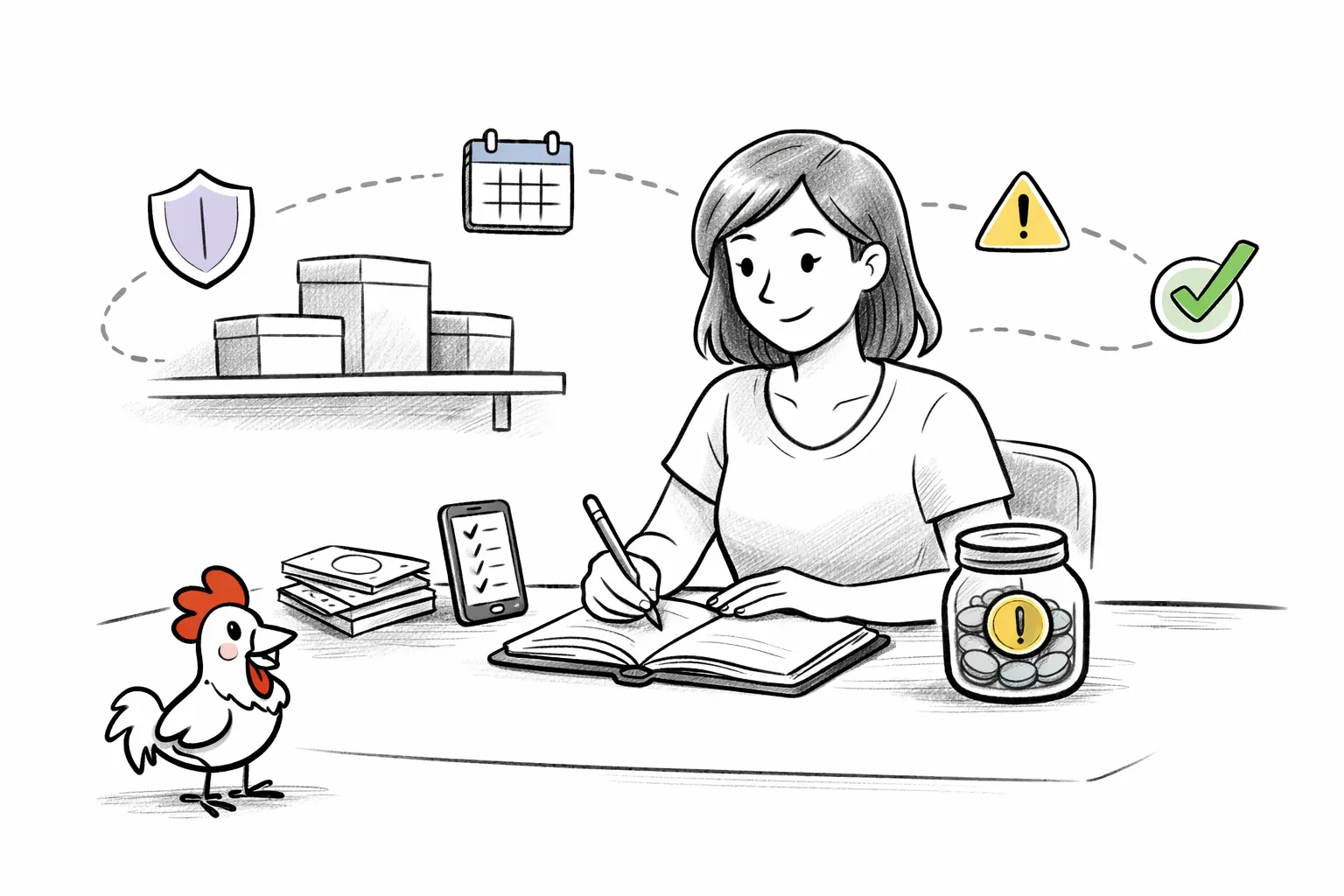
The Unseen Shield: What an Emergency Fund Truly Is
This is where the emergency fund comes in. Think of it as the deepest, most secure part of your financial roost, a hidden cache of resources specifically set aside for life's inevitable surprises. It’s not for a new gadget, a spontaneous vacation, or even a planned home improvement. Instead, it’s a dedicated safety net, poised to catch you when life throws the unexpected your way. This fund isn't just about money; it’s about peace of mind, stability, and the ability to weather financial squalls without derailing your long-term goals. Having this cushion means you won't have to raid your retirement savings, rack up credit card debt, or make desperate financial choices when the unforeseen strikes.
Defining Your Safety Net: What Exactly is an Emergency Fund?
An emergency fund is a dedicated pool of readily accessible money, separate from your regular checking account, specifically reserved for unexpected life events, ensuring you don't have to rely on debt or compromise your long-term financial stability. It's your personal financial bodyguard, protecting you from the financial fallout of job loss, medical emergencies, unforeseen home repairs, or urgent car maintenance. Building this fund is one of the most fundamental and empowering steps you can take in your financial journey.
Emergency Fund
A dedicated pool of readily accessible money, separate from your regular checking account, specifically reserved for unexpected life events, ensuring you don't have to rely on debt or compromise your long-term financial stability.
personal finance safety net
How Much 'Nest Egg' Do You Need? Setting Your Emergency Fund Goal
So, how much should you set aside in this vital nest egg? The widely accepted wisdom suggests aiming for 3 to 6 months of essential living expenses. This includes your housing costs (rent or mortgage), utilities, groceries, transportation, insurance premiums, and any other non-negotiable bills. For some, particularly those with less stable income or dependents, even 9 to 12 months might offer greater comfort. The key here is essential expenses, covering the basics to keep your life running, not maintaining your current lifestyle with all its luxuries. Remember, this isn't a race; it's a marathon. You don't have to reach that 3 to 6 month goal overnight. The most important thing is to start. A great initial milestone, your first 'tiny egg,' is to build a buffer of $500 to $1,000. This smaller amount can cover many common emergencies, like a minor car repair or an unexpected medical co-pay, keeping you from needing to tap into high-interest solutions like credit cards. Every dollar saved is a step closer to a more secure roost.
Start with the left target and graduate to the right target. That phased approach keeps progress realistic while still aiming for durable protection.
Where to Keep Your 'Nest Egg': The Power of a High-Yield Savings Account
Your Credit's Best Friend: How an Emergency Fund Protects Your Score
The chart above is illustrative, not a guarantee. The core point is simple: cash reserves usually shorten financial recovery and reduce credit stress.
Real-Life Scenarios: The Impact of an Emergency Fund
Let's look at how an emergency fund impacts different financial journeys:
-
Nico, the Newcomer: Nico has just started their first job out of college and is building their credit file. One day, their laptop, essential for work, suddenly dies. The repair will cost $600. Without an emergency fund, Nico would likely have to put this on their credit card, pushing their utilization higher and potentially making only minimum payments due to other expenses. This sudden debt would be a heavy weight on their young credit history, making it harder to build positive momentum. However, if Nico had a starting buffer of $1,000, they could pay for the repair outright, keeping their credit card clear and their credit-building journey on track. The peace of mind alone would be invaluable.
-
Riley, the Rebuilder: Riley has been diligently working to rebuild their credit after some past challenges. They've paid down old debts and are making all payments on time. A sudden, unexpected medical bill arrives for $1,500. Without an emergency fund, Riley might be forced to choose between paying this bill and making other essential payments, risking a late payment that could undo months of hard work. The stress would be immense, and the potential impact on their fragile credit score could be devastating. But with an emergency fund in place, Riley can cover the bill without missing a beat, protecting their newly established positive payment history and continuing their upward credit trajectory.
-
The Time-Sensitive Opportunity: Imagine you suddenly lose your job. The immediate panic is immense. You need time to search for a new role, update your resume, and attend interviews. If you have 3-6 months of expenses saved, you gain invaluable breathing room. You can focus on finding the right next step, rather than taking the first low-paying job out of desperation. This fund allows you to maintain your financial obligations (like rent and utilities) without drawing down retirement funds or taking out predatory loans, thus preserving your financial integrity and credit standing during a challenging transition.
Can this expense be covered by your emergency fund without missing essential bills?
Whether your answer is yes or no, a written plan keeps you in control and prevents one emergency from turning into a long debt spiral.
Building Your Fund: Practical Steps to a Secure Nest
Set a starter target of $500 to $1,000
Open a separate HYSA for emergency savings
Automate weekly or payday transfers
Build toward 3 to 6 months of essentials
Treat each step as non-negotiable. Consistency matters more than speed, and automated progress is what turns a goal into a permanent safety system.
Action Items for Your Emergency Fund
- Set an initial emergency fund goal of $500 to $1,000.
- Calculate 3-6 months of your essential living expenses as a long-term goal.
- Open a separate high-yield savings account for your emergency fund.
- Automate small, consistent transfers to your emergency fund each payday.
- Review your budget and cut unnecessary expenses to free up savings.
- Direct any unexpected income (tax refunds, bonuses) into your emergency fund.
Fortifying Your Future: A Holistic Approach to Financial Security
Disclosure
ImportantSome lenders and credit scoring models may filter out, discount, or weigh authorized user tradelines differently in their underwriting decisions. Results vary based on lender policies, the specific scoring model used, and your unique credit profile. An AU tradeline does not guarantee loan approval or any specific credit score outcome.
Frequently Asked Questions
1. What is the primary purpose of an emergency fund?
- The primary purpose is to provide a financial safety net for unexpected life events, such as job loss, medical emergencies, or unforeseen repairs, without relying on debt.
2. How much money should I aim to save in my emergency fund?
- The general recommendation is to save 3 to 6 months of essential living expenses. Start with a smaller, achievable goal of $500 to $1,000 to cover immediate, minor unexpected costs.
3. Where should I keep my emergency fund?
- It's best to keep your emergency fund in a separate, easily accessible high-yield savings account (HYSA). This keeps it distinct from your everyday spending money and allows it to earn more interest.
4. How does an emergency fund protect my credit score?
- By having an emergency fund, you avoid needing to use credit cards or take out high-interest loans during a crisis, which prevents accumulating debt, missed payments, and high credit utilization that can severely damage your credit score.
5. What is the first step to building an emergency fund?
- The first step is to set a realistic initial goal (e.g., $500-$1,000) and then start by automating small, consistent transfers from your checking account to your designated emergency savings account each payday.
6. Is an emergency fund only for major disasters?
- No, an emergency fund is for any unexpected financial hit, big or small. It covers everything from a minor car repair to a sudden job loss, preventing everyday surprises from becoming major financial setbacks.