Key Takeaways
- The statute of limitations (SOL) sets a legal deadline for debt lawsuits, varying by state and debt type.
- SOL is distinct from the 7-year timeline for negative items on your credit report; a debt can be 'time-barred' but still reportable.
- Actions like partial payments, acknowledging the debt, or promising to pay can reset the SOL clock, giving collectors new legal avenues.
- Research your specific state's laws for debt types like credit cards, medical bills, or personal loans.
- Even if time-barred, debt doesn't disappear; collectors can still contact you, but cannot legally sue you.
Understanding the Statute of Limitations on Debt: How Long Can Collectors Pursue Old Debts?
Imagine, for a moment, that your financial nest has weathered a past storm. Perhaps a few twigs broke, leaving a debt unpaid. Time passes, and the memory of that financial tremor begins to fade. Then you hear a new rustle in the branches. A debt collector calls, bringing that old debt back into focus. You might wonder, "How long can this old twig really bother my nest? Isn't there a point when it's simply too old to matter legally?"
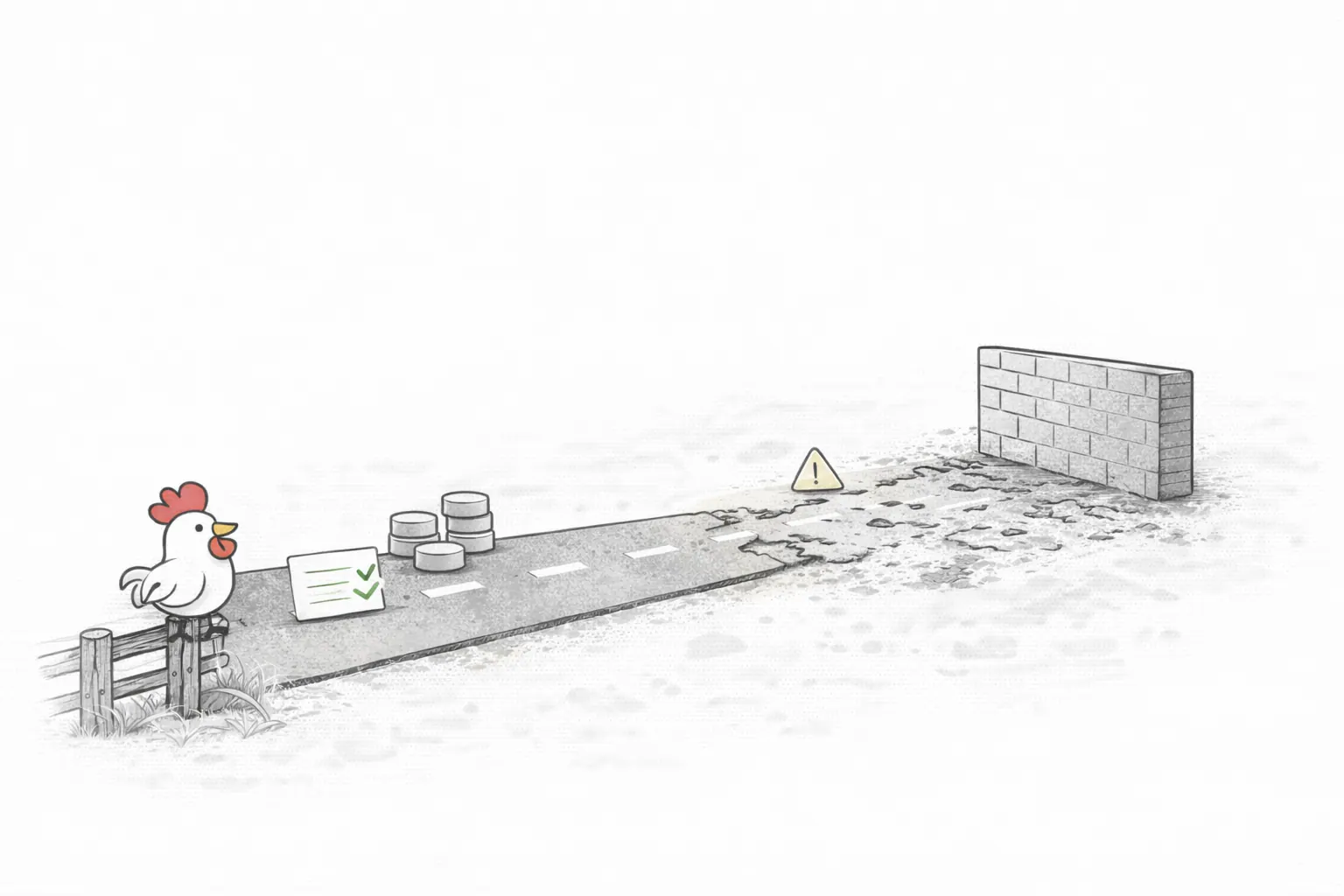
The statute of limitations (SOL) on debt is a state-specific legal deadline that dictates how long a creditor or collector has to file a lawsuit against you to collect a debt.
This is a critical piece of information for anyone navigating past financial challenges, as it determines the legal window during which a debt collector can pursue court action. Understanding this concept can bring immense peace of mind and help you protect your financial roost from unnecessary legal battles.
This quick visual shows how debt status and legal risk can diverge over time:
Use it as a mental map before reviewing your own account dates and state rules.
The Invisible Wall: What is the Statute of Limitations (SOL)?
At its core, the statute of limitations is a legal principle designed to provide fairness and finality. For debts, it means there's a specific period after which a creditor or collector can no longer use the court system to force you to pay. Think of it as an invisible, time-sensitive wall between you and a potential lawsuit. If a collector tries to sue you after this wall has been erected, you can use the expired statute of limitations as a defense in court.
Statute of Limitations (SOL)
A state-specific legal deadline that dictates how long a creditor or debt collector has to file a lawsuit against you to collect an unpaid debt. Once this period expires, the debt becomes 'time-barred,' and legal action cannot be pursued.
debt collection and consumer rights
Keep this definition handy while reading collection letters. It helps you separate legal pressure from legal reality.
Track both clocks on the same account so you do not assume one date controls everything.
This distinction is vital because a debt can fall off your credit report after seven years but still be legally collectible, or vice-versa. The SOL solely governs the creditor's ability to sue you.
Why State Laws Are Your Guiding Stars (and Your Biggest Puzzle)
One of the most crucial aspects of the statute of limitations is that it is determined by state law. There isn't one universal answer for how long a debt remains legally collectible. The specific timeframe can vary wildly from state to state and even depend on the type of debt you have.
For instance, some states might have a three-year SOL for credit card debt, while others might have six years or even longer. Mortgages, medical bills, personal loans, and auto loans often have their own specific timeframes, sometimes falling under different categories like written contracts, oral contracts, or promissory notes. This patchwork of laws can feel like trying to navigate a forest without a map, where every path has a different ending.
Use this snapshot as orientation only, then verify your own state statutes:
Illustrative SOL Ranges by Debt Type
| Debt Type | Common SOL Range | Typical Clock Start |
|---|---|---|
| Credit cards | 3-6 years | Last payment or account activity |
| Medical debt | 3-6 years | Date of default/last activity |
| Personal loans | 4-6 years | Date of first missed payment |
| Auto deficiency | 4-6 years | Default date after repossession |
| Written contracts | 4-10 years | Breach date by state law |
This table improves planning, but your specific state code always controls.
The Clock Starts Ticking (and How You Might Reset It)
The statute of limitations clock typically begins ticking from the date of your last payment or activity on the account. This is a critical detail, as it means the clock isn't necessarily tied to when you first incurred the debt or when it was charged off by the original creditor. For most consumer debts, the clock resets with certain actions, which is where many people inadvertently make a mistake that can revive an old debt.
It’s like setting your nest-building clock back to zero just when you thought you were almost done. Here are the most common actions that can reset the statute of limitations, potentially giving a debt collector a new window to sue you:
- Making a Partial Payment: Even paying a small amount towards the debt, say $5 or $10, can reset the SOL clock. Collectors sometimes offer to accept a small payment with this specific goal in mind.
- Promising to Pay: If you communicate with a debt collector and verbally agree to pay the debt, even if you don't actually make a payment, this can sometimes reset the clock in certain states.
- Acknowledging the Debt in Writing: Sending a letter, email, or any written communication that explicitly acknowledges the debt as yours and indicates an intention to pay can also restart the clock.
This timeline helps you audit when the legal window starts and how it can reopen:
Last payment or qualifying activity
SOL clock usually starts from this point, depending on state law.
Collector outreach begins
Validation requests and written documentation become critical.
High-risk communication window
A small payment or promise can restart the legal timeline.
Debt becomes time-barred
Collectors may still contact you, but lawsuit leverage changes.
Use a written log of calls, letters, and dates so the timeline stays clear.
- Request debt validation in writing before discussing payment options
- Track last-payment dates and state-specific SOL rules
- Keep copies of all collector communications and responses
- Make token payments before confirming whether debt is time-barred
- Promise payment verbally on old accounts
- Ignore court documents if a lawsuit is filed
The safest approach is deliberate: verify first, then choose your next move.
What Happens When a Debt is "Time-Barred"?
When a debt is past its statute of limitations, it becomes "time-barred." This is a significant milestone, but it doesn't mean the debt simply vanishes into thin air. The debt still exists, and you still technically owe it. What changes is the legal leverage a creditor or collector has. They can no longer legally sue you to force payment in court. They cannot obtain a judgment against you, which means they can't garnish your wages, levy your bank accounts, or place liens on your property.
"If a debt is time-barred, it disappears completely."
Time-barred limits lawsuits, not all collection activity or reporting.
Collectors may still contact you, and the account may remain on your report until its reporting window ends.
Knowing this difference helps you respond confidently instead of reacting to pressure.
Unfortunately, unscrupulous collectors sometimes attempt to sue on time-barred debts, hoping the consumer won't know their rights or won't show up in court. This highlights why being informed and prepared is your best defense.
Nest-Building Scenarios: Real-World Examples
Let's consider a few scenarios to illustrate how the statute of limitations plays out in real life:
-
Newcomer Nico: Nico is 22, just starting his independent financial journey. Five years ago, he had an emergency room visit that resulted in a $500 bill he couldn't pay. He moved to a new state a year ago. Recently, he received a call from a collection agency about this medical debt. Nico's state has a 4-year statute of limitations for medical debt. Thinking it's a minor amount, he says, "I know I owe that, I'll try to send $20 next month." By acknowledging the debt and promising to pay, Nico might have just reset the 4-year SOL clock. Even though the original debt was already past the SOL, his verbal acknowledgment could revive the collector's ability to sue him for another four years. Nico should have first verified the debt and his state's SOL before any acknowledgment. For medical-specific context, see medical debt and credit report rules.
-
Rebuilder Riley: Riley, 35, is diligently rebuilding her credit after some tough years. She has an old credit card debt from six years ago, for which her last payment was exactly six years and two months ago. She lives in a state with a 6-year SOL for credit card debt. A collector contacts her, offering to settle for a reduced amount. Riley knows her state's SOL and that her last activity was just past the 6-year mark. She politely but firmly informs the collector, in writing, that the debt is time-barred and she will not be making any payments or acknowledging the debt. She requests they cease communication. While she could negotiate a pay-for-delete if the debt was still reporting and she wanted it gone, she understands her legal protection means she doesn't have to engage on payment. This allows her to focus on building new, positive credit. Had the debt not been time-barred, Riley might have explored options for Negotiating with Creditors to settle for less.
-
Time-Sensitive Tina: Tina took out a personal loan three years ago, then lost her job and defaulted. She lives in a state with a 5-year SOL for personal loans. She's now back on her feet, and the original lender's collection department is calling frequently, threatening legal action. Tina knows the debt is not yet time-barred. Since the debt is still legally collectible, Tina decides to proactively reach out to the lender. She asks for validation of the debt, then attempts to negotiate a payment plan or a settlement. She understands that if she ignores it, the lender could sue her, obtain a judgment, and then garnish her wages. By addressing it head-on, she might prevent a lawsuit and work towards a resolution that is within her means, protecting her nest from a significant legal blow.
Each scenario starts with a different legal posture, so your first action should match your status:
What is your current debt status?
Likely time-barred
You believe the SOL has passed based on last activity date.
Unsure about SOL
You do not yet know the state rule or true clock start.
Still within SOL
Collector likely still has legal standing to sue.
This keeps your response practical and reduces costly missteps.
Protecting Your Roost: How to Act Wisely
Navigating old debts and the statute of limitations requires a calm and informed approach. Here's a practical action plan to help you protect your financial nest:
- Know Your Rights: Familiarize yourself with the Fair Debt Collection Practices Act (FDCPA), which protects you from abusive, unfair, or deceptive debt collection practices. This includes prohibitions against collectors threatening actions they cannot legally take, like suing on a time-barred debt.
- Verify the Debt: Never assume a debt is legitimate just because a collector calls. Always ask for written validation of the debt. This should include the original creditor's name, the amount owed, and proof that the collector is authorized to collect it. Send this request in writing via certified mail with a return receipt.
- Research Your State's SOL: Before you do anything else, determine the statute of limitations in your state for the specific type of debt in question. Resources vary, but your state's attorney general's office or consumer protection agencies often provide guidance.
- Don't Acknowledge or Pay (If Time-Barred): If you've determined the debt is time-barred, resist the urge to make even a token payment or verbally acknowledge the debt. Politely inform the collector, in writing, that the debt is time-barred and that you request they cease all communication. Keep copies of everything.
- Communicate in Writing: Whenever possible, communicate with debt collectors in writing. This creates a paper trail and avoids misunderstandings about what was said. Send all important correspondence via certified mail with a return receipt.
- Consider Professional Help: If you're unsure about your rights, the SOL in your state, or how to handle a persistent collector, consider consulting a consumer attorney or a reputable credit counseling agency. They can offer personalized advice and help you navigate complex situations without falling into traps.
Use this quick operational checklist to keep your process organized:
Validation File
Store collector letters, account details, and balance history in one place.
Date Tracking
Log last payment/activity dates and expected SOL deadlines by account.
Response Timing
Respond promptly to notices and court documents to preserve defenses.
Rights Protection
Document FDCPA issues, threats, and any inaccurate reporting behavior.
These basic controls help you move from reactive stress to repeatable execution.
Action Items
- Familiarize yourself with the Fair Debt Collection Practices Act (FDCPA).
- Always request written validation of any debt from a collector.
- Research the specific Statute of Limitations (SOL) for your state and debt type.
- Avoid making payments or acknowledging time-barred debts.
- Conduct all communication with debt collectors in writing.
- Seek professional legal or credit counseling if you are uncertain or overwhelmed.
Your Path to a Stronger Financial Future
Before you close this topic, remember the legal risk and scoring impact do not always move together.
Legal Window vs Credit Impact
ImportantA debt can be beyond lawsuit limits yet still influence your credit report until reporting deadlines expire. Track both timelines in parallel.
When you manage both clocks intentionally, your strategy becomes calmer and more effective.
While the concept of the statute of limitations on debt can seem like a technical legal hurdle, understanding it empowers you. It's about knowing when a past financial storm has truly passed its legal window for specific forms of attack, allowing you to breathe a little easier and focus on future growth. Even if a debt is time-barred, its history can still subtly influence your financial standing, reminding us that building a strong financial nest isn't just about avoiding old problems, but actively cultivating new, positive habits.
Remember, your financial journey is a continuous process of building and reinforcing. While navigating old debts is crucial, remember that building new, positive credit is often one of the faster ways to strengthen your financial nest. You might use an authorized user tradeline as an early gateway to credit visibility, and you can pair it with durable builders like secured cards, credit-builder loans, or rent reporting. Every positive step counts. Focus on consistent, responsible financial behaviors to build a robust and resilient roost for yourself.
Disclosure
ImportantSome lenders and credit scoring models may filter out, discount, or weigh authorized user tradelines differently in their underwriting decisions. Results vary based on lender policies, the specific scoring model used, and your unique credit profile. An AU tradeline does not guarantee loan approval or any specific credit score outcome.
Use AU tradelines as one part of a broader credit-building plan, not a standalone outcome guarantee.
Just as the wind eventually dies down after a storm, legal collection windows eventually close. By understanding the statute of limitations, you equip yourself with the knowledge to discern which old twigs can still pose a threat and which ones are truly no longer a legal concern, allowing you to allocate your energy to building the stronger, more durable nest you deserve.
Frequently Asked Questions
1. What is the statute of limitations on debt?
- The statute of limitations (SOL) on debt is a state-specific legal deadline that dictates how long a creditor or debt collector has to file a lawsuit against you to collect an unpaid debt. If the SOL expires, the debt becomes 'time-barred,' meaning the collector can no longer legally sue you in court to force payment.
2. How does the statute of limitations differ from how long debt stays on my credit report?
- The statute of limitations (SOL) is a legal deadline for lawsuits, while credit report reporting timelines dictate how long negative information, like collections or late payments, can appear on your credit report. Most negative items remain on your report for about seven years. A debt can be time-barred (meaning no lawsuit can be filed) but still appear on your credit report, or it could fall off your credit report but still be legally collectible in court if the SOL has not yet expired.
3. Can I accidentally reset the statute of limitations on a debt?
- Yes, certain actions can inadvertently reset the statute of limitations (SOL) clock, potentially giving a debt collector a new window to sue you. These actions commonly include making a partial payment on the debt, promising to pay the debt (even verbally), or acknowledging the debt in writing. It's crucial to be cautious when interacting with collectors about old debts to avoid restarting the legal collection period.
4. What should I do if a debt collector contacts me about an old debt?
- If a debt collector contacts you about an old debt, first verify the debt by requesting written validation, and research your state's specific statute of limitations for that type of debt. If you determine the debt is time-barred, do not make any payments or acknowledge the debt. Politely inform the collector, in writing, that the debt is time-barred and request they cease communication. If the debt is not time-barred, you may consider negotiating a settlement or payment plan.
5. What are my rights if a debt is time-barred?
- If a debt is time-barred, a debt collector cannot legally sue you in court to collect it. It is also illegal for a collector to threaten legal action they cannot take. While collectors can still contact you, you have the right to inform them the debt is time-barred and request they cease communication. Familiarize yourself with the Fair Debt Collection Practices Act (FDCPA) to understand your consumer protections.
6. What if a debt collector sues me for a time-barred debt?
- If a debt collector attempts to sue you for a time-barred debt, you must appear in court and inform the judge that the statute of limitations has expired. This serves as your legal defense. Do not ignore the lawsuit, as the collector could win a default judgment against you, which would then make the debt legally enforceable again. Consulting a consumer attorney is highly recommended if you face such a situation.