Key Takeaways
- Credit mix contributes to the resilience of your credit score and shows lenders diverse financial responsibility.
- A balanced credit profile includes both revolving credit (credit cards) and installment loans (like auto loans or credit-builder loans).
- Managing different credit types well signals lower risk to lenders, potentially unlocking better rates and approvals.
- Slowly and strategically adding a blend of installment and revolving accounts helps optimize this factor.
- While not the largest scoring factor, a good credit mix helps solidify your overall creditworthiness.
The Importance of a Diverse Credit Nest
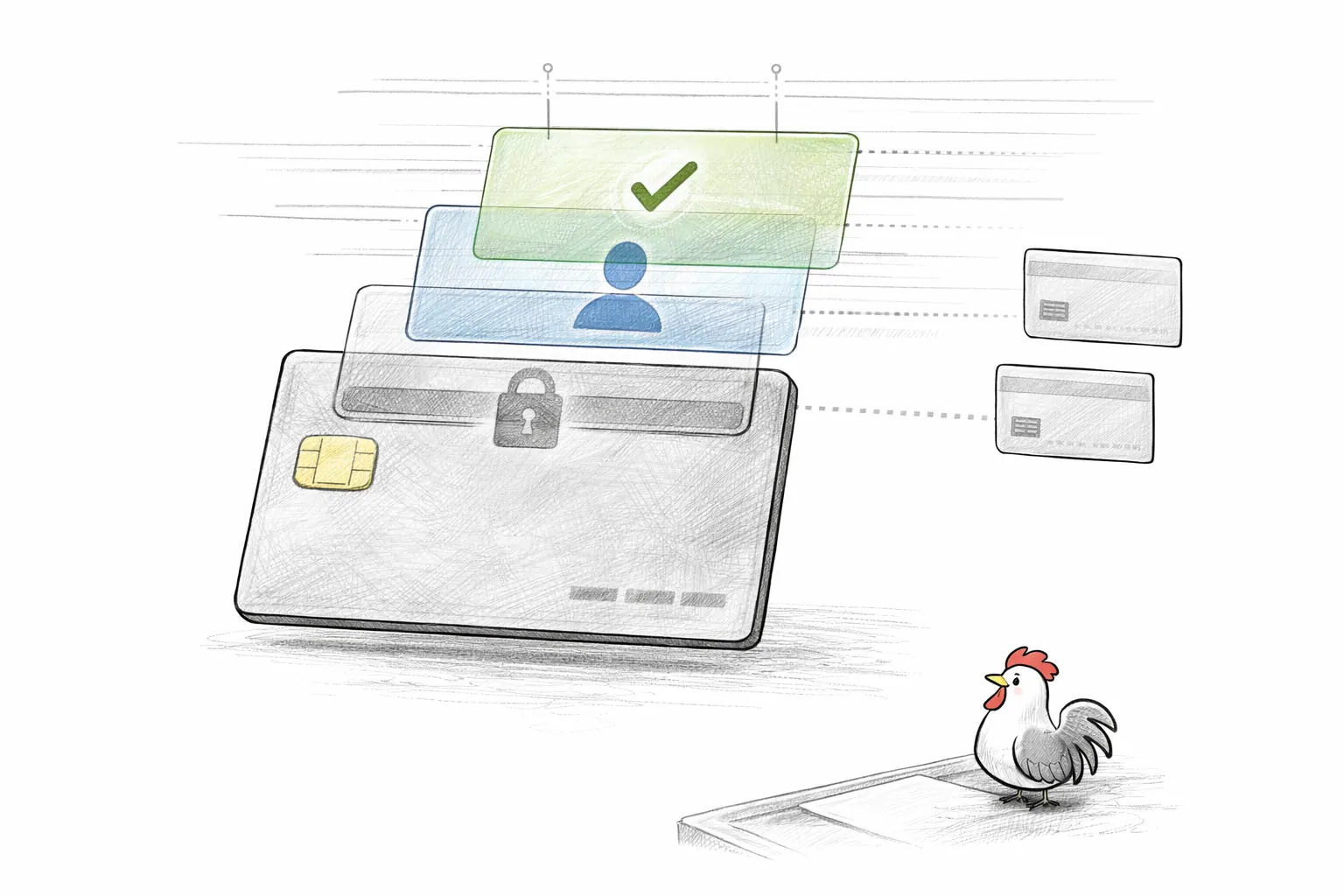
Imagine you're a meticulous bird, tirelessly weaving your nest. You wouldn't build it solely from the softest down, nor would you use only the stiffest, most unyielding twigs. A truly resilient nest, one that can withstand any storm and safely house new beginnings, is built with a mix of materials, some flexible, some rigid, all working together to create a secure structure. Your credit profile is much the same. A robust financial nest is not just about having credit; it is about demonstrating your ability to manage different kinds of credit responsibly. This is where the concept of a credit mix comes into play, a powerful yet often misunderstood factor in your overall credit score.
What Exactly Is a Credit Mix?
At its heart, your credit mix refers to the variety of credit accounts you have open and actively manage. There are two primary types of credit:
2. Installment Credit: These are loans with a fixed payment schedule over a set period. You borrow a lump sum, and you repay it in equal installments until the loan is paid off. Common examples include auto loans, student loans, personal loans, and mortgages. Once the loan is paid off, the account is closed.
"You need to carry a balance and pay interest to improve your credit mix."
You only need to have the accounts open and in good standing; you do not need to carry debt or pay interest.
Paying interest does not help your score. For credit cards, paying in full every month is best. For loans, reporting on-time payments is what counts, not the amount of interest you pay.
Why a Diverse Mix Strengthens Your Credit Nest
Think of your credit score as a lender's confidence meter. The more evidence you can provide that you're a reliable borrower across different scenarios, the higher their confidence in lending to you. Here's why having a mix helps:
- Demonstrates Versatility: Managing a credit card requires different skills than managing a fixed-payment loan. With a credit card, you're balancing spending and payments, keeping utilization in check, and avoiding interest charges. With an installment loan, you commit to consistent, scheduled payments over a long period. Excelling at both shows a broad range of financial discipline.
- Score Resilience: A credit profile built on a single type of credit can be more fragile. If you only have credit cards and one gets maxed out, your utilization could spike, negatively impacting your score. If you have a mix, the impact of a single hurdle might be softened by your positive performance on other account types. Multiple sturdy branches support your nest better than just one.
- Lender Preferences: Different lenders specialize in different types of loans. A mortgage lender might prefer to see evidence that you can handle long-term, fixed payments, while a credit card issuer wants to see you manage revolving debt responsibly. A diverse mix makes you an attractive candidate across a wider spectrum of financial products.
- Optimization of Scoring Models: Credit scoring models allocate a portion of your score to credit mix (typically around 10% of your FICO score). While not as heavily weighted as payment history or credit utilization, optimizing this factor supports your score's growth and may help you access better interest rates.
Building Your Mix: Revolving vs. Installment
On the installment side, traditional loans like mortgages or auto loans often require an established credit history, which can feel like a chicken-and-egg problem for those just starting out. This is where tools like Credit-Builder Loans shine. These innovative loans are specifically designed to help you establish a positive payment history on an installment account. Instead of receiving the money upfront, you make regular payments into a savings account, and once the loan term is complete, you receive the full amount. You save money and build a vital component of your credit mix simultaneously.
Month 1: The Foundation
Open a Secured Credit Card to establish your first revolving account.
Month 6: The Diversifier
Add a Credit-Builder Loan to introduce installment credit to your mix.
Month 12: Optimization
Maintain low utilization and consistent on-time payments across both accounts.
Month 18+: Maturity
Graduate to an unsecured card as your score grows from your diverse history.
Explore Credit-Builder Loans
Ready to start building your mix and fortify your financial nest? Explore how a Credit-Builder Loan could add an important layer of installment credit to your profile, helping you save and build simultaneously.
Real-Life Nests: Scenarios of Credit Mix in Action
Let's peek into a few nests to see how credit mix plays out for different individuals:
Real-Life Credit Mix Journeys
Nico, the Newcomer
A recent college grad with only a student loan (installment) looking to rent an apartment. Opened a Secured Credit Card and added a Credit-Builder Loan.
Riley, the Rebuilder
Someone recovering from late payments with only one credit card. Added a Credit-Builder Loan to diversify mix and focused on 100% on-time payments.
Lena, the Planner
A long-term responsible borrower with only revolving accounts active. Opened a small Credit-Builder Loan to "refresh" mix before a mortgage.
Crafting Your Ideal Credit Mix: A Slow and Steady Approach
There's no magic number or perfect ratio for credit mix, but the goal is to show a blend of responsibly managed accounts. For most people, having 1-2 credit cards alongside 1-2 installment loans (which could include a credit-builder loan, student loan, or auto loan) provides a solid foundation. Here's how to approach it:
- Start with Foundational Credit: If you have no credit or are rebuilding, begin with a Secured Credit Card to establish revolving credit. You might consider an authorized user (AU) tradeline to help gain initial visibility, though durable strength comes from your own accounts.
- Cross-Reference: To understand how AU tradelines work as a gateway, you can learn more about How Authorized User Tradelines Work.
Disclosure
ImportantSome lenders and credit scoring models may filter out, discount, or weigh authorized user tradelines differently in their underwriting decisions. Results vary based on lender policies, the specific scoring model used, and your unique credit profile. An AU tradeline does not guarantee loan approval or any specific credit score outcome.
While an authorized user account can provide a helpful boost, the goal is to build a credit identity that stands on its own.
"Relying exclusively on authorized user tradelines is enough for a long-term premium credit score."
Primary accounts, those in your own name, are the only way to build durable, long-term credit resilience.
While AU tradelines are a powerful gateway to gain visibility, lenders most value your ability to manage your own financial commitments like a secured card or credit-builder loan.
- Add Installment Credit: Once you're comfortable managing your revolving credit, consider adding an installment account. A Credit-Builder Loan is an excellent, low-risk option to introduce this type of credit without taking on significant debt.
- Prioritize On-Time Payments: No matter the mix, late payments will severely damage your credit. Consistency is key.
- Keep Utilization Low: Especially on your credit cards, aim to keep your balances below 30% of your credit limit, ideally even lower, under 10% The 30% Rule.
- Patience and Time: Building a strong credit mix, like building any sturdy nest, takes time. New accounts will initially lower your average age of accounts, but the long-term benefit of a diverse, well-managed profile outweighs this temporary effect.
Managing a diverse mix requires a shift in mindset from just "having credit" to "managing a portfolio" of financial tools.
- Start with a secured card for revolving foundational credit
- Add a credit-builder loan to diversify with installment credit
- Prioritize 100% on-time payments across all accounts
- Monitor your utilization to keep it under 10% for best results
- Open multiple new accounts in a very short period
- Carry credit card debt just to show "activity"
- Close your oldest accounts unless absolutely necessary
- Take on high-interest debt solely to improve your credit mix
Frequently Asked Questions
1. Is it bad to only have credit cards?
- While not inherently "bad" if managed perfectly, only having credit cards means your credit mix isn't diversified. This can prevent you from optimizing the credit mix factor in your score and may be seen as less favorable by lenders who prefer to see experience with installment loans.
2. How many credit accounts should I have for a good mix?
- There's no fixed number, but a common good practice is to have 2-4 revolving accounts (like credit cards) and 1-2 installment loans. The key is to have a mix of both, not just a high number of accounts.
3. Does having a mortgage count for credit mix?
- Yes, a mortgage is a significant installment loan and is excellent for your credit mix. It demonstrates your ability to manage a large, long-term financial commitment.
4. Will a personal loan help my credit mix?
- Absolutely. A personal loan is an installment loan, and successfully managing one can positively contribute to your credit mix, especially if you currently only have revolving credit.
5. How quickly can I improve my credit mix?
- You can start building your credit mix relatively quickly by opening a Secured Credit Card and a Credit-Builder Loan within a few months of each other. However, the positive impact on your score takes time to materialize as you establish a consistent payment history on these new accounts.
6. Do authorized user tradelines count towards my credit mix?
- Yes, if the primary account holder's card is a revolving account, it will generally appear on your report as such. While tradelines are an excellent way to gain initial credit visibility quickly, they don't replace the need to build your own diverse accounts for long-term, durable credit strength. They are a powerful gateway, but your own secured cards and credit-builder loans are the true durable builders.
7. What is the goal of credit mix?
- The goal of credit mix is to demonstrate your ability to responsibly manage different types of credit, showing versatility to lenders and contributing to a more resilient and higher credit score.
Building a Future-Proof Nest
Building a healthy credit mix isn't about collecting as many accounts as possible; it's about strategically adding different types of credit that you can manage responsibly. It’s a marathon, not a sprint, and each new account, managed well, adds another layer of strength to your financial nest.
By embracing both revolving and installment credit, you’re not just chasing a higher score; you're developing a comprehensive financial skillset that will serve you for years to come. This diverse experience tells lenders you're a responsible, versatile borrower, ready for whatever financial opportunities lie ahead.
Establish revolving credit (Secured Card)
Demonstrate consistent payments
Add an installment account (Credit-Builder Loan)
Maintain low utilization across accounts
Build a diverse, resilient profile
Just as a bird meticulously selects various materials for a nest that will stand the test of time, you too can build a robust financial home. A balanced mix of credit is a key element in that construction, providing the stability and flexibility you need to reach your financial goals.