Key Takeaways
- The Debt Snowball tackles smallest debts first, building momentum through quick wins.
- The Debt Avalanche targets highest-interest debts first, saving you the most money over time.
- The most effective method is the one you are most likely to stick with consistently.
- Both strategies may support healthier credit behavior by reducing debt and reinforcing on-time payments.
- Consider your personal motivation and financial situation when deciding which path to take.
- Complement your chosen method with smart budgeting and an emergency fund to prevent future debt.
Two Roads to Debt Freedom: Snowball or Avalanche?
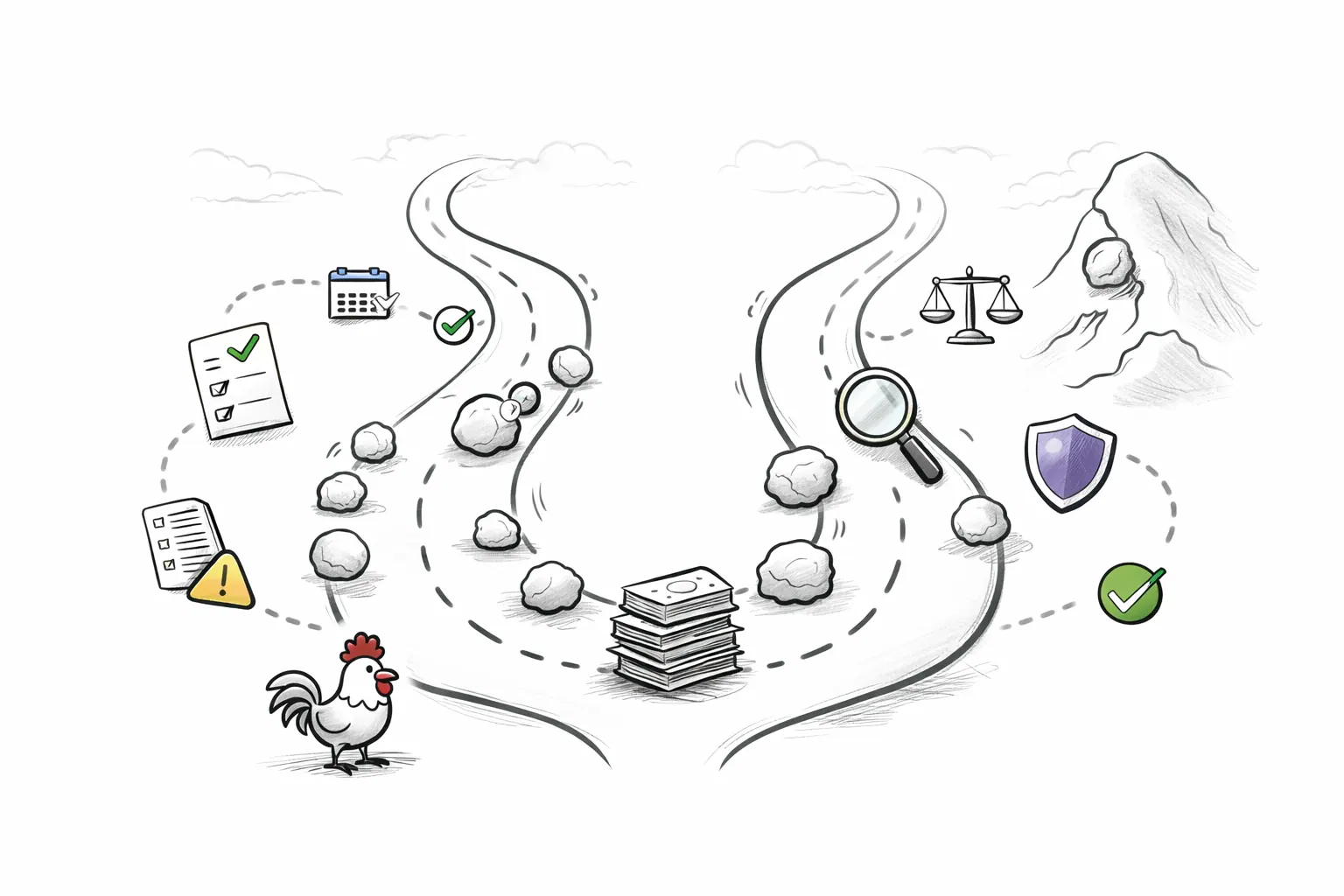
You have likely heard these terms before: the Debt Snowball and the Debt Avalanche. Both are proven debt payoff strategies, but they work from different angles. One prioritizes psychological wins. The other prioritizes mathematical efficiency. Neither is universally better. The right choice depends on your financial personality and what keeps you consistent when motivation drops.
The Debt Snowball: Building Momentum with Small Wins
The Debt Snowball method is about momentum. You list debts from the smallest balance to the largest, regardless of APR. You pay the minimum payment on every debt except the smallest one, then throw every extra dollar at that target. After the smallest debt is paid, you roll that payment into the next debt. Like a snowball rolling downhill, your payment power grows each round.
List debts from smallest balance to largest
Pay minimums on all accounts
Attack the smallest balance with extra cash
Roll freed payment into the next debt
The Debt Avalanche: Maximizing Savings, Minimizing Interest
The Debt Avalanche method is a cost-focused strategy. You list debts from the highest APR to the lowest, regardless of balance. You pay minimums on everything, then direct all extra cash to the highest-rate debt first. Once that debt is gone, you move to the next highest APR. This approach is designed to reduce total interest paid over time.
In many debt mixes, Avalanche saves more money, but it can feel slower at the start if your highest-rate debt also has a large balance. That tradeoff is why behavior matters as much as math.
Choosing Your Champion: When to Use the Debt Snowball
The key rule is simple: the best method is the one you will actually stick with.
The Debt Snowball is your ally if:
- You need quick wins for motivation: Closing one account early can create momentum and reduce stress.
- You get discouraged easily: Frequent progress markers can keep you moving forward.
- You have multiple small balances: Early payoffs can simplify your monthly obligations quickly.
Real-Life Paths: Nico's Snowball, Riley's Avalanche
Here is how the two methods can play out in real life:
-
Nico, the Motivator: Nico is new to managing debt and has a $300 store card, a $700 medical bill, and a $1,500 personal loan. He feels overwhelmed. If Nico starts with the Debt Snowball, he can eliminate the $300 balance quickly. That early proof of progress can be more valuable for his consistency than saving a small amount of interest in month one.
-
Riley, the Disciplined Saver: Riley is rebuilding credit and has three credit cards with balances of $2,000, $4,000, and $5,000 at 22%, 18%, and 25% APR. Riley is process-driven and can stay focused on long-term outcomes. For Riley, Avalanche can be a better fit because attacking the 25% card first cuts total interest cost faster.
Both paths work when you keep the sequence visible and repeatable. Treat debt payoff like a system, not a one-time push.
Choose your method and list debts
Pick Snowball or Avalanche and lock the debt order.
Automate minimums
Protect payment history while directing extra cash to your target debt.
Roll payments forward
As each debt closes, add that freed payment to the next target.
Review and adjust
Recheck balances, APR changes, and budget fit to stay on track.
This structure helps turn motivation into execution and keeps progress moving even when cash flow changes.
When to Unleash the Debt Avalanche
The Debt Avalanche is your ally if:
- You are highly disciplined: You can stay consistent even when visible wins take longer.
- You carry high-interest balances: This is especially important for revolving card debt.
- Your top goal is cost control: Every dollar not paid in interest can be redirected to savings or principal.
Regardless of which method you choose, active debt payoff can contribute to two major credit factors: credit utilization and payment history.
Execution Discipline
- Keep minimum payments current on every account
- Track one primary target debt at a time
- Reallocate freed payments immediately after each payoff
- Switch methods every week without a clear reason
- Ignore APR changes or promotional expiration dates
- Pause your plan after one setback
These simple rules protect momentum and prevent strategy drift while you work through multiple accounts.
Do you need fast motivational wins to stay consistent?
Beyond Debt Payoff: Building Your Financial Fortress
As you chip away at balances, this metric can move in a healthier direction:
Credit Utilization Ratio
The amount of credit you are using compared to your total available credit.
Lower utilization can signal lower risk to lenders and may support stronger scoring outcomes over time.
Debt payoff works best as part of a larger system. To avoid falling back into debt, pair your method with these practical steps:
- Build an Emergency Fund: Start with a small buffer, then grow toward 3 to 6 months of essential expenses. Use The Basics of Building an Emergency Fund as your framework.
- Create a Realistic Budget: A durable plan like The 50/30/20 Budgeting Rule helps you keep debt payments, essentials, and savings in balance. For predictable big expenses, pair it with The Sinking Fund System so new charges do not derail your debt plan.
- Plan for Collection Calls: If collection debt is in the mix, review How to Respond to a Debt Collector's Phone Call, Negotiating with Creditors, and Debt Statute of Limitations before agreeing to anything.
- Add Durable Credit Builders: As balances fall, strengthen positive data with accounts in your own name, such as secured cards, credit-builder loans, or rent reporting. Authorized user tradelines may offer early visibility for some profiles, but long-term strength usually comes from consistently managed primary accounts.
Disclosure
ImportantDebt repayment strategies may help improve financial habits, but outcomes vary by credit profile, account behavior, and lender underwriting. Some lenders and credit scoring models may filter out, discount, or weigh authorized user tradelines differently in their underwriting decisions. An AU tradeline does not guarantee loan approval or any specific credit score outcome.
Use the checklist below as your operating layer so your chosen method stays practical week after week.
Action Items for a Stronger Financial Nest
- Choose Snowball or Avalanche based on the method you can follow consistently.
- List every debt with current balance, APR, and minimum payment.
- Automate minimum payments to protect payment history.
- Build or strengthen your emergency fund so new surprises do not create new debt.
- Use a realistic budget to keep debt payoff sustainable month after month.
- Track utilization and progress monthly so you can adjust your strategy early.
Frequently Asked Questions
1. What is the Debt Snowball method?
- The Debt Snowball method is a payoff strategy where you attack debts from the smallest balance to the largest, regardless of APR. You pay minimums on all debts and direct extra cash to the smallest target first, then roll that payment into the next debt.
2. What is the Debt Avalanche method?
- The Debt Avalanche method prioritizes the highest APR debt first. You still pay minimums on all accounts, then apply extra cash to the most expensive debt. This usually reduces total interest paid.
3. Which debt payoff method is better: Snowball or Avalanche?
- There is no universal winner. Snowball often helps people who need early momentum. Avalanche usually saves more money. The better method is the one you can maintain consistently.
4. How do debt payoff methods affect my credit score?
- Both approaches may help by lowering utilization and supporting a stronger on-time payment pattern. Credit score outcomes vary, and consistent execution can support healthier credit behavior.
5. Can I switch from Snowball to Avalanche, or vice versa?
- Yes. You can switch at any time if your motivation, cash flow, or priorities change. Many people start with Snowball for momentum and move to Avalanche once they are steady.
6. What about balance transfers? Should I use them?
- Balance transfers can help if the promo terms are clear and you can repay the balance before the introductory APR ends. Review transfer fees, reversion APR, and timeline carefully before moving debt.
7. Should I pay off old collections first?
- It depends on your file and priorities. Active high-interest debt often deserves immediate attention. Older collections can still be negotiated, but they generally remain on your report for about seven years from the original delinquency date, and impact varies by age, reporting status, and lender policy. Use How to Respond to a Debt Collector's Phone Call and Negotiating with Creditors to prepare before you engage.
Snowball versus Avalanche is a personal decision between momentum and cost savings. Both can lead to debt freedom when paired with consistent payments, a realistic budget, and strong risk controls. Choose the method you can sustain, execute it with discipline, and review progress monthly. That is how you turn a stressed financial nest into a stable one.