Key Takeaways
- Research reputable tradeline providers thoroughly to ensure transparency and reliability.
- Carefully select a tradeline based on age, credit limit, and low utilization for maximum impact.
- Understand the reporting cycle and verify that the tradeline successfully posts to all three major credit bureaus.
- Tradelines are a powerful gateway for establishing credit quickly, especially for newcomers and rebuilders.
- Combine tradelines with durable credit-building strategies like secured cards and credit-builder loans for long-term financial health.
- Always set realistic expectations; results vary, and no specific score increases can be guaranteed.
The Fledgling's Dilemma: Building Your Credit Nest
Imagine you’re a fledgling bird, perched on a flimsy twig, trying to build your very first nest. Or perhaps a gust of wind scattered your previous home, and you're starting fresh, with only a few sparse twigs to your name. You look around, seeing magnificent, sturdy nests built by older, wiser birds, wishing you had access to such strong, established branches to fortify your own. This feeling, in the world of credit, is remarkably similar to having a thin credit file or one that’s been weathered by past storms.
The Tradeline: Your Sturdy Credit Branch
home, finance a car, or even just get a mobile phone plan. This is where the concept of a tradeline enters the picture.
Tradeline
An account listed on your credit report. An authorized user (AU) tradeline allows you to be added to someone else's credit card account, enabling its positive history to appear on your report.
authorized user tradelines
Specifically, an authorized user (AU) tradeline acts as a sturdy, pre-existing branch to give your credit nest the immediate structural integrity it needs. It's often the fastest gateway to establishing visibility within the credit ecosystem, giving lenders something concrete to evaluate.
Tradelines: Credit Building, Not Credit Repair
Your Step-by-Step Guide to Getting a Tradeline
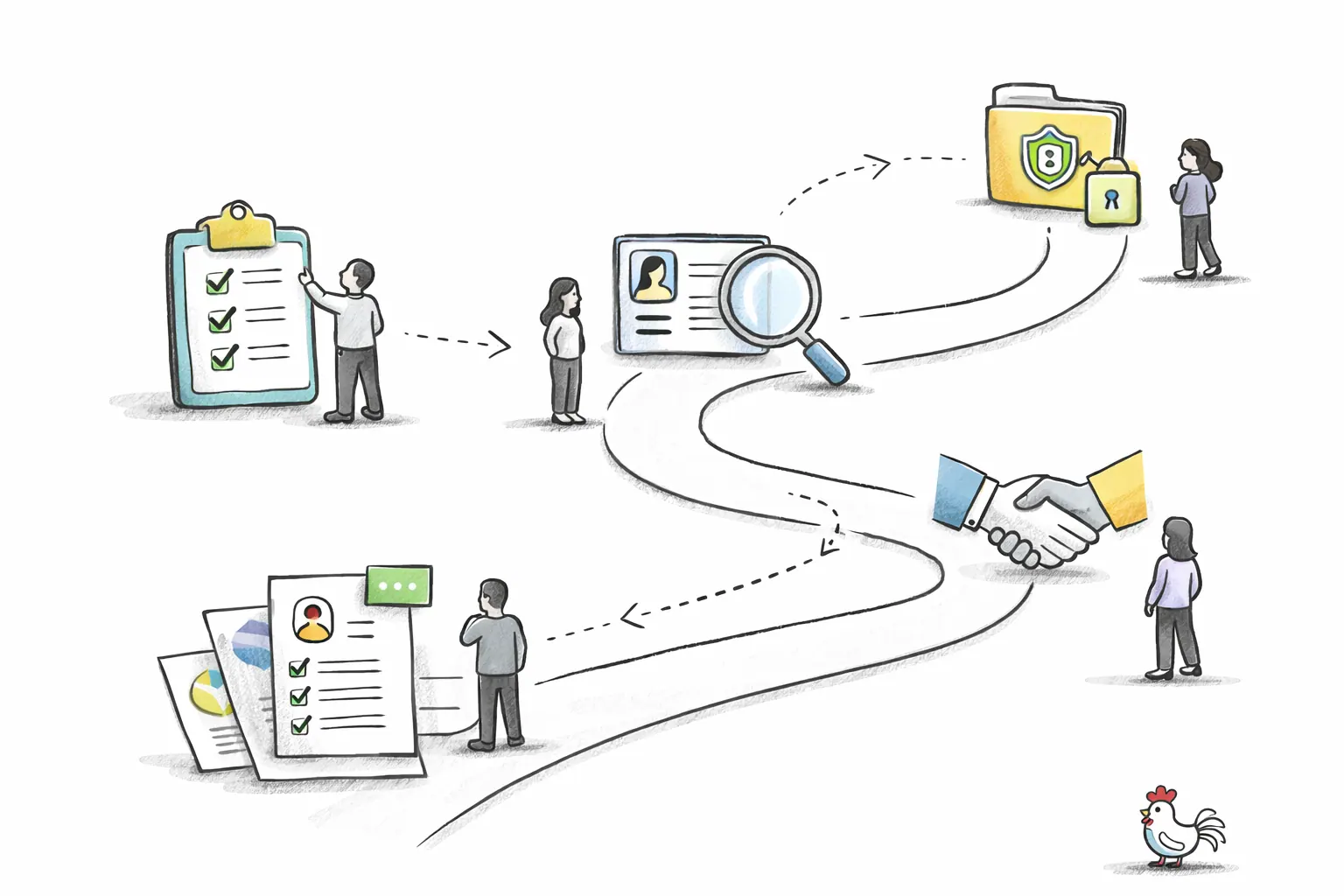
Acquiring a tradeline involves a clear process, much like carefully selecting the materials for a sturdy nest. Each step ensures you choose wisely and set yourself up for the best possible outcome.
Step 1: Research and Vet Tradeline Companies
This is perhaps the most critical feather in your cap. The tradeline industry has many players, and not all operate with the same level of integrity or transparency. You'll want to partner with a reputable company that prioritizes client education, clear communication, and robust support.
Vetting Checklist
Pro TipLook for companies that offer posting guarantees, have transparent pricing, and educate rather than sell. Avoid anyone promising a specific score increase.
Step 2: Choosing the Right Tradeline Package
Once you’ve found a trusted provider, the next step is selecting the tradeline that best suits your credit-building goals. This isn't a one-size-fits-all decision; it’s about selecting the right twig to strengthen your nest. Key factors to consider include:
Account Age
Older accounts (5+ years) significantly boost average age of history.
Credit Limit
High limits ($10k+) reduce your overall utilization ratio.
Utilization
Must be under 10% (ideally 0-1%) to be effective.
Your chosen company should guide you through available options, helping you understand how each tradeline’s characteristics will likely impact your unique credit profile. This due diligence is essential in effectively 'Choosing the Right Tradeline Package.'
Step 3: Providing Your Information
After selecting your tradeline, you’ll typically be asked to provide necessary identification information. This usually includes your full legal name, Social Security Number (SSN) or Individual Taxpayer Identification Number (ITIN), and date of birth. This information is securely submitted to the primary cardholder's bank to add you as an authorized user. Reputable companies will have robust security measures in place to protect your sensitive data.
Step 4: Payment and Processing
Tradeline services involve a fee, which covers the cost of accessing the primary cardholder's account, administrative costs, and the service provider's expertise. You'll typically pay for your chosen tradeline at this stage. Following payment, the provider will formally initiate the process of adding you as an authorized user to the chosen account. This often involves the primary cardholder contacting their bank.
Step 5: Verification and Posting
Purchase
Select tradeline and submit ID info.
Addition
Provider adds you to cardholder account.
Reporting
Bank reports new data to bureaus.
It's absolutely critical to verify that the tradeline has successfully posted to your credit reports. You can do this by obtaining free copies of your credit reports from AnnualCreditReport.com after the expected posting window. If the tradeline doesn't appear, you'll need to follow up with your provider. This step is why asking about their refund policy and posting guarantees is so important when researching companies - helping you avoid 'Non-Posting Tradelines? And How to Avoid Them.' A reliable company will have a clear process for addressing non-postings and offering refunds if necessary.
Setting Realistic Expectations: No Magic Nest
"Tradelines claim an 800 credit score quickly."
Tradelines add positive history but scores depend on your entire profile.
If you have recent missed payments or collections, a tradeline alone typically won't override that damage. It's a boost, not a magic eraser.
Mini-Stories: Building Diverse Nests
To illustrate how tradelines can help, let's look at a few common scenarios:
Building Diverse Nests
Newcomer Nico
New to the U.S. with no credit history. Needed a score for a phone plan.
Rebuilder Riley
Old late payments were dragging down her score. Needed better car loan rates.
Time-Sensitive Tara
Business loan deadline in 60 days. 'Thin' file was holding her back.
Beyond the Tradeline: Durable Nest Building
While tradelines offer a swift and effective gateway to credit visibility, remember they are just one branch in your overall credit nest. For truly durable credit growth, you must commit to building your own strong accounts and habits. Think of it as adding your own hand-picked twigs and leaves to make the nest truly yours.
Here are some key habits and tools to build long-term credit strength:
- Secured Credit Cards: These require a security deposit but help you establish your own credit history. They're a fantastic way to prove responsible credit usage.
- Credit-Builder Loans: These small loans are designed specifically to help you build credit. The money is held in an account while you make payments, and you receive it once the loan is paid off, demonstrating reliable payment behavior.
- Rent Reporting: If you pay rent, consider services that report your on-time rent payments to the credit bureaus. This turns a regular expense into a credit-building asset.
- Maintain Low Utilization: Keep your credit card balances low relative to your credit limits, ideally under 10-30%. This shows lenders you're not over-reliant on credit.
- Pay On Time, Every Time: Payment history is the most significant factor in your credit score. Consistent on-time payments are non-negotiable for a strong credit nest.
By combining the strategic boost of a tradeline with these durable credit-building practices, you'll be well on your way to a robust and resilient credit profile.
Your Journey to a Strong Credit Nest
Your credit journey is exactly that, a journey. Tradelines can serve as an invaluable accelerator, a robust initial branch that provides immediate support and visibility to your credit nest. But the true strength and longevity of your financial future come from the continuous, mindful effort you put into building and maintaining your own credit habits and accounts.
Making informed decisions, asking the right questions, and understanding both the benefits and limitations of tradelines are crucial steps. At Credit Roost, we believe in empowering you with transparent information and reliable resources. Ready to explore authorized-user tradelines as your fastest gateway to credit visibility? Or perhaps you're ready to dive into building durable credit with secured cards, credit-builder loans, and rent reporting? We're here to help you navigate these paths with confidence.
Action Items for Building Your Credit Nest
- Research and vet tradeline companies thoroughly.
- Choose a tradeline with good age, high limit, and low utilization.
- Provide accurate information securely for AU addition.
- Verify that the tradeline successfully posts to all three credit bureaus.
- Combine tradelines with your own credit-building strategies (secured cards, credit-builder loans, rent reporting).
- Maintain low credit utilization and make all payments on time.
Just as a fledgling bird combines strong found branches with its own diligently gathered twigs to construct a secure home, you can leverage tradelines as a powerful starting point. With a solid foundation, consistent effort, and a clear understanding of your tools, your credit nest will grow strong, resilient, and ready to support all your future financial aspirations. The sky, and your financial potential, is truly the limit.
Frequently Asked Questions
1. What is a tradeline?
- A tradeline, specifically an authorized user (AU) tradeline, allows an individual to be added to someone else's established credit card account. This enables the positive payment history, age, and credit limit of that account to appear on the authorized user's credit report, providing a boost to their credit profile.
2. Is it legal to buy tradelines?
- Yes, adding an authorized user to a credit card account, often referred to as 'buying a tradeline' when done through a service, is legal. However, the impact of tradelines can vary among lenders and credit scoring models, and it's essential to work with transparent companies and understand all associated policies.
3. How long does it take for a tradeline to post to my credit report?
- Once you are added as an authorized user, the account's history typically posts to your credit reports during the bank's next statement closing and reporting cycle. This usually occurs within 15 to 45 days after you are added to the account.
4. What factors should I consider when choosing a tradeline?
- Key factors include the age of the account (older is generally better), the credit limit (higher can be beneficial), and the utilization rate (it should be very low, ideally under 10%). Also, ensure the primary account has an excellent payment history.
5. Do tradelines claim a specific credit score increase?
- No, tradelines do not guarantee specific credit score increases. The impact varies significantly based on your existing credit profile, the characteristics of the tradeline, and the specific credit scoring model used by lenders. They are a tool to boost credit visibility and factors, but results are not uniform.
6. What are some long-term strategies for building strong credit?
- Beyond tradelines, durable credit building involves using secured credit cards, taking out credit-builder loans, reporting on-time rent payments, maintaining low credit utilization (under 10-30%), and consistently making all credit payments on time.