Key Takeaways
- Implement credit freezes, fraud alerts, and consistent monitoring to create robust barriers against identity theft.
- Cultivate strong digital and physical security habits, including unique passwords and smart shredding practices.
- Understand that a 'thin file' can be more vulnerable, making early and ongoing protection critically important.
- Regularly review your credit reports using your 3 free annual reports, acting as your own vigilant nest-guard.
- Learn to recognize and avoid phishing scams and other common identity theft tactics.
Building Your Financial Footprint: The Foundation of Trust
Imagine your financial life as a carefully built nest. You add twigs through responsible spending, weave in on-time payments, and protect what matters most: your growing credit profile. New nests are also easier targets. Building credit is exciting, but this stage is when identity protection matters most. Just as you'd guard a nest from intruders, you need to guard your financial identity from misuse.
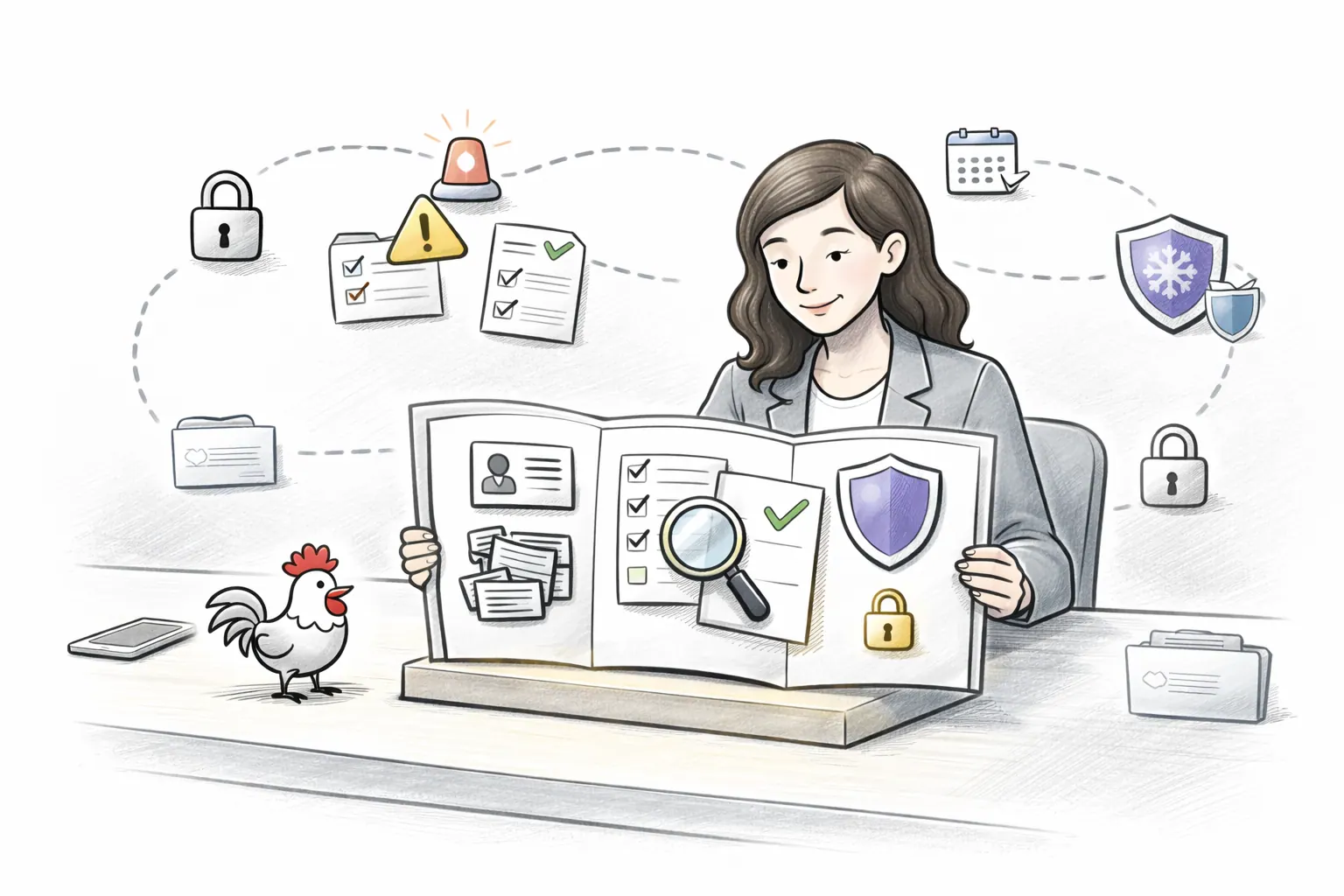
As you build or rebuild credit, your financial footprint becomes more visible. That visibility helps with loans, housing, and better rates, but it can also make you a more attractive target for identity thieves. The goal is simple: strengthen your defenses as your profile grows. This is not about fear. It is about proactive control.
Your First Line of Defense: Freezes, Fraud Alerts, and Monitoring
Think of these tools as the sturdy branches and thorny bushes you plant around your financial nest to deter predators. They create layers of protection, making it significantly harder for someone to open accounts in your name or misuse your existing ones.
Using both creates stronger coverage than either one alone.
Credit Freezes (The Fortress Wall): A credit freeze, or security freeze, is perhaps the most powerful tool you have. It prevents potential lenders, creditors, and other businesses from accessing your credit report. Even if an identity thief has your Social Security number and other personal details, they cannot open new credit accounts in your name because no one can check your credit without you temporarily lifting the freeze. Freezing your credit is free, and you can lift or thaw it temporarily when you need to apply for credit yourself. You'll need to place a freeze with each of the three major credit bureaus: Equifax, Experian, and TransUnion. This proactive step can stop identity theft before it starts.
Fraud Alerts (The Early Warning System): While not as ironclad as a freeze, a fraud alert acts as a bright flag on your credit report. If a business tries to extend credit to you, they're legally required to take extra steps to verify your identity, such as calling you at a phone number you provide. Initial fraud alerts last for one year and can be renewed. If you suspect you're a victim of identity theft, you can place an extended fraud alert for seven years. You only need to place a fraud alert with one of the three credit bureaus; that bureau is then required to notify the other two.
After your baseline protections are active, run a repeatable maintenance cycle:
Freeze your file with all three bureaus
Set or renew a fraud alert
Check one credit report every four months
Escalate unknown activity immediately
Practicing Good Financial Hygiene: Fortifying Your Nest's Structure
Beyond direct defenses, your everyday habits strengthen the structure of your nest. These practices make your identity harder to access and less attractive to thieves.
Strong Passwords and Multi-Factor Authentication (The Barred Entryways): This seems obvious, but it's astonishing how many people reuse simple passwords across multiple accounts. Every financial account, email, and social media profile should have a unique, complex password. Better yet, enable multi-factor authentication (MFA) or two-factor authentication (2FA) wherever possible. This adds an extra layer of security, usually requiring a code from your phone or an authenticator app, making it much harder for someone to access your accounts even if they have your password.
Shredding Important Documents (Leaving No Crumbs): Don't just toss old bank statements, credit card offers, or utility bills in the trash. These documents contain enough personal information for an identity thief to start piecing together your profile. Invest in a cross-cut shredder and use it for anything that bears your name, address, account numbers, or other sensitive details. Leaving financial 'crumbs' scattered around makes it easier for criminals to find them.
Awareness of Phishing and Scams (Spotting the Imposters): Phishing emails, texts, and calls are sophisticated attempts to trick you into revealing sensitive information. Be skeptical of unsolicited communications asking for personal or financial details. Government agencies, banks, and reputable companies rarely ask for sensitive information like your Social Security number or account passwords via email or text. Always verify the sender, look for poor grammar or suspicious links, and when in doubt, contact the organization directly using a phone number from their official website, not one provided in a suspicious message.
Secure Your Devices (Locking Down Your Roost): Your computer, tablet, and smartphone are gateways to your digital life. Keep them password-protected, use strong antivirus software, and ensure your operating systems and apps are always up to date. Public Wi-Fi networks are often unsecured; avoid conducting sensitive transactions or accessing financial accounts when connected to them. A virtual private network (VPN) can add a layer of security if you must use public Wi-Fi.
Identity Defense Habits
- Use unique passwords and MFA on financial accounts
- Review report activity on a fixed calendar rhythm
- Verify all unusual requests through official channels
- Click account links from unsolicited messages
- Delay action after spotting suspicious inquiries
- Share one password across email and banking logins
These simple habits dramatically reduce day-to-day exposure.
Why a Thin File is More Vulnerable: The New Nest's Challenge
Here’s why:
- Less Data to Compare: With a rich credit history, a new, fraudulent account might stand out more readily. But if your file is thin, a single fraudulent account could significantly alter your entire profile, making it harder to distinguish what's legitimate from what isn't.
- Greater Impact on Score: A single negative mark, like a collection from a fraudulent account, can have a disproportionately larger impact on a thin credit file compared to a well-established one with years of positive history.
- Fewer Relationships to Leverage: Someone with a long banking relationship might find it easier to work with their bank to resolve fraud. If you're new to the financial system, you might not have those established relationships to lean on for support. This underscores why protecting your new financial beginnings is so vital.
Credit freezes, fraud alerts, and consistent monitoring are not optional for people with thin files. They are core protection steps while you build your credit foundation.
Real-World Scenarios: Identity Protection in Action
Here is how identity protection can play out for different people:
- Newcomer Nico's Vigilance: Nico recently got his first secured credit card, a significant step in building his credit history after overcoming the challenge of being credit invisible. He's careful with his card, but one day, he receives an email purporting to be from his bank, asking him to 'verify his account details immediately' due to 'suspicious activity.' Nico remembers our advice on phishing. He doesn't click the link. Instead, he independently navigates to his bank's official website and logs in directly. There's no alert. He calls his bank's official number to confirm, and they assure him it was a scam attempt. Because Nico practiced good hygiene and didn't fall for the trick, his new, fragile credit file remains untouched by potential fraud.
- Rebuilder Riley's Proactive Defense: Riley is actively rebuilding her credit after a tough financial period. She's making timely payments and seeing gradual progress in her credit profile. To protect this progress, she proactively places a credit freeze with all three bureaus. A few months later, she gets a call from a collections agency about an unpaid utility bill she never opened. She feels a knot of panic, thinking her efforts are being undone. However, because her credit is frozen, no new accounts could have been opened in her name. She explains the situation to the collector and, after checking her credit reports (accessed by temporarily lifting her freeze for her own review), confirms there's no such account. The freeze provided an immediate, verifiable defense, allowing her to confidently dispute the fraudulent claim without it impacting her hard-earned rebuilding efforts.
- Time-Sensitive Tina's Peace of Mind: Tina is applying for a new apartment and knows her landlord will pull her credit report. She's been working on her credit for a while and wants to ensure everything is perfect. Before applying, she pulls her own free credit reports from AnnualCreditReport.com. She notices a hard inquiry she doesn't recognize. Because she was monitoring, she immediately places a fraud alert and investigates. It turns out to be a misreported inquiry from an old, mistaken application. She follows How to dispute a credit report error and gets it removed before her landlord runs the check, ensuring her application goes smoothly and her credit looks pristine when it matters most.
Across all three stories, the process stays consistent even when the details change.
Lock your file
Place freezes and configure account security settings.
Verify your baseline
Review reports and confirm all accounts and inquiries are expected.
Monitor and document
Track alerts, save screenshots, and log any suspicious events.
Dispute fast
Escalate unknown activity immediately with bureaus and creditors.
Your Action Plan: Steps to Safeguard Your Credit Journey
Protecting your identity doesn't have to be overwhelming. It's a continuous process of small, smart actions. Here’s a brief summary to help you keep your financial nest safe:
- Freeze Your Credit: Consider this your primary shield against new account fraud. It's free and easy to do with Equifax, Experian, and TransUnion.
- Set Fraud Alerts: Add an extra layer of verification. You only need to place one with a single bureau, and they'll alert the others.
- Monitor Your Reports: Regularly check Your 3 Free Credit Reports to spot any unfamiliar activity. Don't wait for a problem to appear; seek it out.
- Practice Digital Security: Use strong, unique passwords and enable multi-factor authentication everywhere possible.
- Shred Sensitive Documents: Prevent dumpster divers from finding your personal information.
- Be Skeptical: Approach unsolicited emails, calls, or texts asking for personal information with extreme caution.
Did you find unfamiliar activity on your report?
Disclosure
ImportantSome lenders and credit scoring models may filter out, discount, or weigh authorized user tradelines differently in their underwriting decisions. Results vary based on lender policies, the specific scoring model used, and your unique credit profile. An AU tradeline does not guarantee loan approval or any specific credit score outcome.
Your Credit Journey: An Investment Worth Protecting
Your credit journey is an investment, and like any valuable asset, it needs protection. These strategies do more than prevent problems. They help you build a more secure and resilient financial future. Whether you are a newcomer like Nico, a rebuilder like Riley, or someone focused on peace of mind like Tina, identity protection is a non-negotiable part of credit progress.
Frequently Asked Questions
1. Why is a 'thin file' more vulnerable to identity theft?
- A thin file means you have limited credit history, making it harder to detect new, fraudulent accounts that stand out more readily in an established credit profile. A single fraudulent account can have a disproportionately large negative impact on a new or limited credit history.
2. What is the main difference between a credit freeze and a fraud alert?
- A credit freeze (or security freeze) is a more robust measure that completely blocks access to your credit report, preventing new credit accounts from being opened in your name. A fraud alert, while still helpful, flags your report to prompt businesses to take extra steps to verify your identity before extending credit, but it doesn't block access entirely.
3. How often should I check my credit reports for suspicious activity?
- You should aim to check your credit reports at least once every four months by staggering your free annual reports from each of the three major bureaus via AnnualCreditReport.com. This allows you to monitor your reports for free throughout the year.
4. Can I still apply for credit, such as a new credit card or a loan, if I have a credit freeze on my report?
- Yes, you can. You will simply need to temporarily "thaw" or lift the credit freeze with each bureau that the lender will check before applying. Once approved or denied, you can refreeze your credit.
5. What is the first step I should take if I suspect I'm a victim of identity theft?
- If you suspect identity theft, immediately place a fraud alert with one of the three major credit bureaus (they will notify the others). Then, review your credit reports carefully for any unauthorized activity and contact any financial institutions where fraudulent accounts may have been opened. Report it to the FTC at IdentityTheft.gov.
6. Besides credit freezes and fraud alerts, what's a simple, everyday habit for protecting my identity?
- Using unique, strong passwords for every online account and enabling multi-factor authentication (MFA) wherever possible is a crucial everyday habit that significantly enhances your digital security and makes it much harder for thieves to access your personal information.
7. Are there any free services that can help me monitor my credit?
- Yes, you are entitled to one free credit report from each of the three major credit bureaus (Experian, Equifax, and TransUnion) annually via AnnualCreditReport.com. Many credit card companies and banks also offer free credit score and monitoring services to their customers.
Like a careful bird that reinforces its nest, you can build a secure and stable financial base. Your effort to build credit matters, and identity protection helps that effort hold up over time. Stay consistent, protect your information, and keep your progress moving forward.
Ready to get started on your credit journey and learn more about protecting your financial future? Download our free Credit Starter Kit, complete with a checklist, glossary, and credit tracker, to help you navigate with confidence.