Key Takeaways
- The biggest credit mistake is often treating score problems as one-off events instead of a repeatable system issue.
- High utilization with weak payment controls can erase progress, even when you think you are doing most things right.
- Recovery usually starts with three-bureau diagnosis, then utilization and payment stabilization, then one durable builder.
- Authorized user tradelines may help visibility for some profiles, but outcomes vary by lender and scoring model.
- The strongest long-term results usually come from your own on-time behavior, low utilization, and monthly monitoring.
The Mistake Was Not One Payment
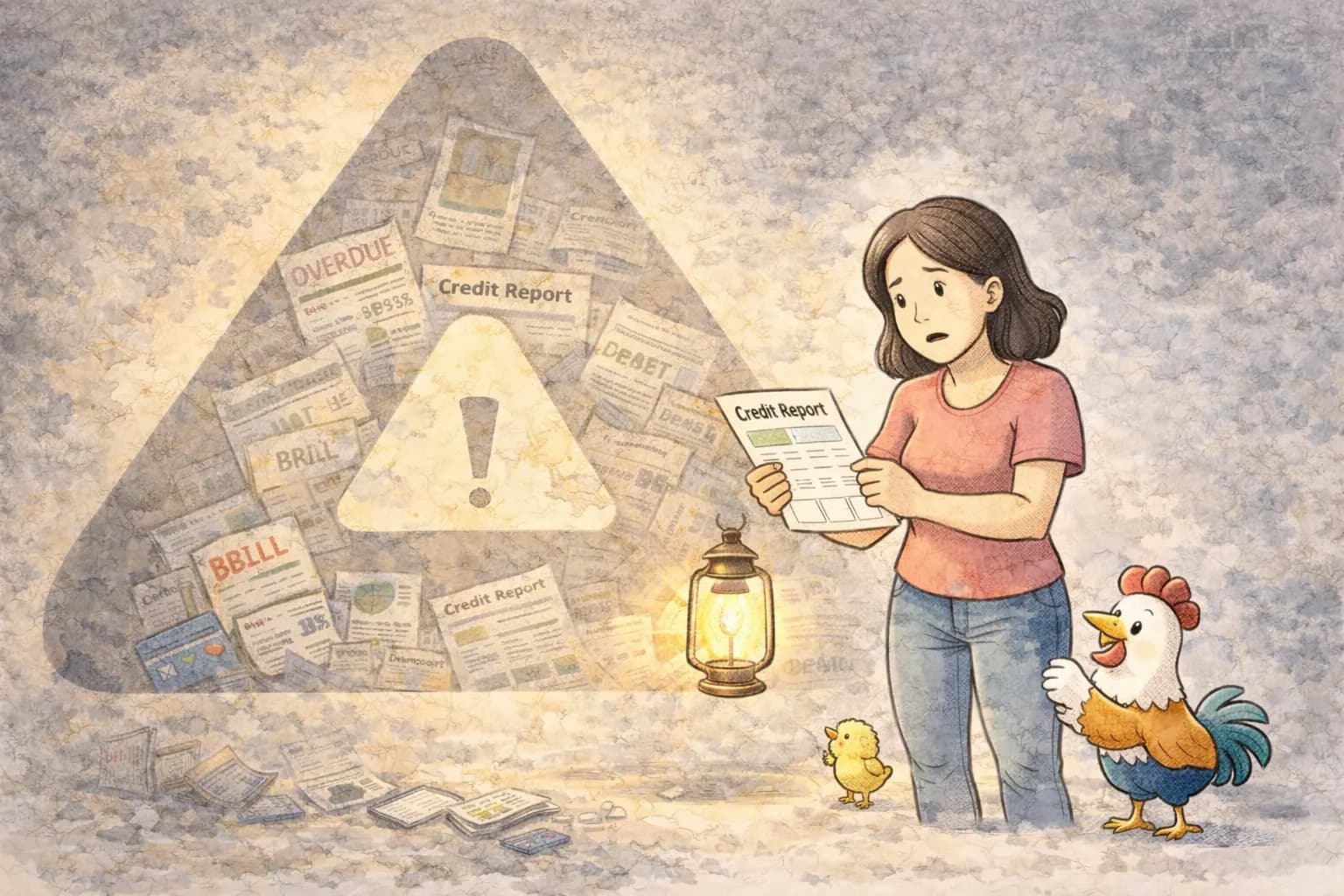
This is where a lot of people get tripped up. Credit utilization is a major scoring factor, and high balances can hurt even when payments are on time. In common FICO models, utilization (amounts owed) is often around 30% of scoring weight. If a card has a $1,000 limit and reports a $900 balance, that 90% utilization can suppress score movement quickly.
That is why people feel confused after doing what looks like the right thing. They pay, but they pay at the wrong time relative to statement reporting. The model reads elevated risk, not good intentions.
"If I pay on time, my score should always rise."
Payment timing alone is not enough when balances report high or inquiry activity is unplanned.
Most files improve when payment consistency, utilization timing, and account decisions are managed together, not in isolation.
Nico is a good example. He paid his new card every month and assumed he was fully on track. But he often paid after the statement closed, so high balances still reported. His credit profile looked riskier than his actual behavior. Once he learned the cycle and paid balances down before the close date, his results became more consistent.
What It Cost
When the system is weak, the costs stack fast:
- Higher borrowing costs: Even small score drops can increase rates on auto or personal loans.
- Stricter approvals: Files with unstable utilization often get lower starting limits.
- More volatility: Without a process, one large balance can reverse weeks of progress.
- Stress and decision fatigue: Constantly reacting to score swings drains focus.
The Fix Sequence That Worked
Recovery became faster once I stopped guessing and used a fixed order.
Step 1
Pull all three reports and identify exactly what changed.
Step 2
Lower utilization before statement close dates and lock autopay controls.
Step 3
Resolve factual errors and avoid non-essential new applications.
Step 4
Add one durable builder only if your file still needs depth.
From there, I treated two controls as non-negotiable:
- Utilization control: Keep reported balances in range using statement-timing tactics, utilization benchmarks, and neutral utilization guidance from MyFICO.
- Payment control: Protect payment history with autopay safeguards, payment-history fundamentals, and external autopay setup guidance.
I also used a simple timeline so I would not make random decisions every week:
- Stop new damage first: No unnecessary applications, no large new balances, and no missed payments.
- Stabilize payment history immediately: Autopay minimums plus manual paydown to avoid accidental late marks.
- Reduce reported utilization quickly: Target under 30% first, then under 10% where possible.
- Protect account age and mix: Avoid closing older accounts unless there is a clear risk or fee reason. Use close-old-card decision rules and length-of-history fundamentals to pressure-test this step.
- Re-check all three bureaus after updates: Only adjust strategy after data actually changes.
Riley used this sequence after a co-signed account defaulted. He could not erase that default right away, but he could add positive data around it. He started a secured card, kept utilization low, and added AU support from a well-managed family account. That layered approach reduced the damage over time.
Where AU Tradelines Help
Authorized user tradelines can help some profiles gain visibility faster, especially when credit history is thin. They can add useful account-age and available-credit context.
They are not a replacement for your own behavior. Durable results still come from accounts you control directly.
Disclosure
Some lenders and credit scoring models may filter out, discount, or weigh authorized user tradelines differently in their underwriting decisions. Results vary based on lender policies, the specific scoring model used, and your unique credit profile. An AU tradeline does not guarantee loan approval or any specific credit score outcome.
The Rules I Use Now
The fastest gains came from repeatable rules, not perfect months.
Reporting calendar check
Review statement close dates and reduce balances before reporting windows.
Payment resilience check
Verify autopay, backup funding account, and reminder alerts.
Three-bureau review
Audit for stale balances, unexpected inquiries, and factual errors.
Budget pressure reset
If cash flow tightens, reset spending first using a stable budget framework.
Recovery Rules That Stuck
- Check all three reports before changing your strategy.
- Manage reported utilization before statement close, not only by due date.
- Keep autopay plus backup reminders active on every account.
- Pause unnecessary applications during active recovery periods.
- Use one durable builder, such as a secured card or installment builder, when needed.
- Review progress monthly and adjust only after confirmed reporting changes.
These additional rules came directly from earlier mistakes:
- 10% target rule: Under 10% utilization is the preferred operating range when possible.
- Autopay plus oversight: Automation prevents misses, but monthly manual review catches edge cases.
- Monthly monitor, quarterly audit: Light check every month, deeper three-bureau check each quarter.
- Emergency-cash buffer: Even a small reserve helps avoid forced card usage during surprises.
- Limit is a tool, not spend capacity: Credit limit supports utilization strategy, not lifestyle expansion.
Building Beyond Repair
Repairing a mistake is a milestone, not the endpoint. The stronger goal is to build a profile that can absorb normal financial stress without major score swings.
For me, this meant moving from reactive fixes to routines that actually hold up:
- Keep long-standing accounts open when practical.
- Add credit diversity slowly and only when it fits your actual needs.
- Keep spending anchored to budget capacity, not available limits.
AU tradelines can still be a fast gateway for some profiles, but they are a launchpad, not a full strategy. Long-term credit strength comes from your own repeatable behavior across billing cycles.
That long-term strength matters beyond credit-card approvals. It can affect financing terms, rental options, and the flexibility you have when life gets expensive.
What I learned the hard way: rebuilds work when each control does a specific job and all of them run together:
If one slice is weak, recovery usually feels shaky even when the rest of the plan looks good.
Scenario Breakdowns That Mirror Real Recovery
These three profiles show why sequence matters more than "quick-fix" hacks:
- Nico (thin file): He had little account depth and expected fast gains from simply using a card. His recovery started when he controlled statement timing and kept reported balances low. AU support helped visibility, but his own account behavior created stability.
- Riley (rebuild file): He had legacy damage from a co-signed account and wanted immediate reversal. Instead of chasing quick fixes, he layered actions: dispute inaccuracies, lower utilization, protect payment history, then add one durable builder.
- Tina (time-sensitive borrower): She needed better loan terms within months and accidentally stacked inquiries during a move. Her turnaround came from pausing new applications, running strict utilization controls, and waiting for bureau updates before making the next move.
A practical directional split is often: Nico 40% utilization timing, Riley 35% payment stability, and Tina 25% inquiry control. These are not exact values, but they show how prioritization drives faster recovery.
These examples are different, but the pattern is the same: diagnose first, reduce risk signals second, then add positive depth carefully.
Timeline and Expectations
People usually ask for one exact timeline. In reality, timing depends on the primary cause of the drop.
Rough ranges are usually more useful than exact promises:
- Utilization-driven movement may appear in about one billing cycle once lower balances are reported.
- Dispute-related corrections often take several weeks plus bureau refresh time.
- Thin-file growth needs repeated clean cycles before gains become durable.
- Larger recovery targets often require several months of steady behavior.
If you are not sure what to fix first, use this quick sequence:
Which Recovery Track Fits Your File Right Now?
Utilization spike
Recent balances reported high relative to limits, but payment history is mostly intact.
Data accuracy issue
A line item looks wrong, stale, or duplicated across one or more bureaus.
Thin-file plateau
No major negatives, but file depth and account history are limited.
This is why weekly overreactions can hurt progress. Credit data updates in cycles, not in daily headlines.
This cadence works well for most people:
- Weekly: verify payments and upcoming statement-close dates.
- Monthly: verify reported balances and any unexpected inquiries.
- Quarterly: compare all three bureaus and correct factual mismatches.
- As needed: change one variable at a time, then re-measure after updates post.
If you follow this cadence, recovery usually feels less chaotic and easier to track.
Pre-Application Control Check
Before any major loan or card application, run this short check to avoid undoing recent gains:
Before You Apply
- Confirm all three bureau reports are current and internally consistent.
- Reduce balances before statement-close dates so lower utilization is reported.
- Resolve open factual disputes tied to active tradelines.
- Avoid new non-essential applications in the same window.
- Verify autopay and reminders are active on every required payment account.
- Review score movement only after confirmed bureau refresh cycles.
Before you submit anything, do one final pass to separate low-risk moves from avoidable mistakes:
Final Application Guardrails
- Submit only after lower utilization is already reflected in bureau data
- Keep the application window narrow and intentional
- Verify every required payment account is fully current
- Stack unrelated applications in the same reporting cycle
- Assume an internal score app reflects all three bureau files
- Ignore open factual disputes tied to active tradelines
This control block prevents a lot of late-stage mistakes. People often do the hard work, then lose momentum by applying before their latest improvements are actually reflected in bureau data.
Legal Disclosure and Boundary Check
This guide is educational. It is not legal, tax, lending, or personalized financial advice. Credit reporting timelines, underwriting policy, and debt-collection rules can vary by lender, scoring model, and state law.
If you are facing active legal action, wage garnishment, identity-theft liability questions, or case-specific disputes, use a licensed attorney in your state before relying on general online content.
Disclosure
No strategy in this article guarantees a specific score increase, loan approval, pricing tier, or reporting outcome. Results vary by bureau data quality, lender policy, scoring model version, and your full credit profile.
Your Credit Roost Awaits
Credit recovery is not about one trick. It is about a sequence you can repeat when things get busy: diagnose clearly, execute in order, verify data updates, and then adjust.
AU tradelines can help some files with early visibility. Durable strength still comes from your own on-time behavior, controlled utilization, and clean reporting cycles over time.
Frequently Asked Questions
1. What is the biggest credit score mistake most people make?
- Many people treat score drops as random events instead of fixing the system behind them: utilization timing, payment controls, and report monitoring.
2. Can one month of high utilization really hurt that much?
- Yes. A single high reported balance can cause visible drops, especially on thinner or rebuilding files.
3. What should I do first after a score drop?
- Pull all three reports, identify the exact trigger, and focus first on utilization and payment stability.
4. Should I open multiple new cards to recover faster?
- Usually no. Too many new applications can add risk signals and delay recovery.
5. Are authorized user tradelines guaranteed to raise my score?
- No. They may help some files, but outcomes vary by lender policy, scoring model, and full profile.
6. How long does meaningful recovery usually take?
- Some utilization-driven gains appear in one to two billing cycles. Durable recovery usually takes several months of clean reporting behavior.
7. How can I avoid repeating the same mistake?
- Use a repeatable system: reporting-calendar checks, payment fail-safes, and three-bureau reviews on schedule.
8. How long does a late payment stay on a credit report?
- Late payments can remain for up to seven years. Their impact usually weakens as newer on-time history accumulates.
9. Should I close old accounts with negative history?
- Usually no. Closing can reduce available credit and shorten average age, which may hurt utilization and profile depth.
10. What if I cannot pay my bills right now?
- Contact creditors early and ask about hardship options. Early communication is usually safer than silence and delinquency.
11. Can debt consolidation help recovery?
- It can help cash-flow management, but it can also add a hard inquiry and a new account. Use it only when the math and behavior plan are clear, and compare debt consolidation tradeoffs, debt management plans, and nonprofit counseling options before committing.
12. Can negative items be removed quickly?
- Only inaccurate items can be removed through disputes. Accurate negatives generally remain for their reporting window.
13. Can credit be rebuilt after bankruptcy?
- Yes. Recovery is possible with time, low utilization, and consistent on-time reporting on new well-managed accounts. A practical roadmap is this rebuild-after-bankruptcy sequence.
14. How often should I check reports during recovery?
- Monthly light checks and deeper three-bureau reviews every few months work well for most people. A 3-6 month deep-review cadence is also common during active rebuild periods.
The biggest credit score mistake I made was assuming effort alone was enough. The fix was building a system that runs even when life gets busy. Once that system was in place, recovery became more predictable and less stressful.
Your credit profile does not need perfection. It needs consistency. Diagnose clearly, execute in sequence, and let repeated good reporting cycles do the heavy lifting.