Key Takeaways
- The credit journey usually moves from a thin file to a stronger profile through consistent, strategic action.
- Early visibility, including an authorized user tradeline, may help some borrowers establish a file sooner, but durable credit still comes from self-owned accounts and habits.
- Payment history and low utilization remain the two most practical habits to protect in every stage.
- Growth also depends on account age, thoughtful applications, regular report reviews, and a realistic spending plan.
- Setbacks like collections or bankruptcy can slow progress, but structured rebuilding can still move a file forward.
- Excellent credit is not self-sustaining. It still requires active review, maintenance, and restraint.
The Credit Journey in Four Stages
Most borrowers move through the same broad phases, even if the timing is different.
Create Visibility
Give lenders enough reporting history to evaluate your file.
Build Ownership
Add accounts that reflect your own payment patterns.
Control Habits
Keep balances and due dates under steady control.
Protect Progress
Review reports and avoid preventable setbacks.
Each stage has a different job, which is why the right next step changes as the file gets more mature.
Create early visibility
Build payment and utilization discipline
Expand carefully and recover from setbacks
Maintain a mature file with regular reviews
The details may change, but the pattern is familiar: get the file established, strengthen it, protect it, then keep it steady.
The Fledgling Nest: From Thin File to First Branches
At the beginning, the main issue is often not damaged credit. It is a lack of usable history. A thin file gives lenders very little to evaluate, so even financially responsible people can look unproven on paper.
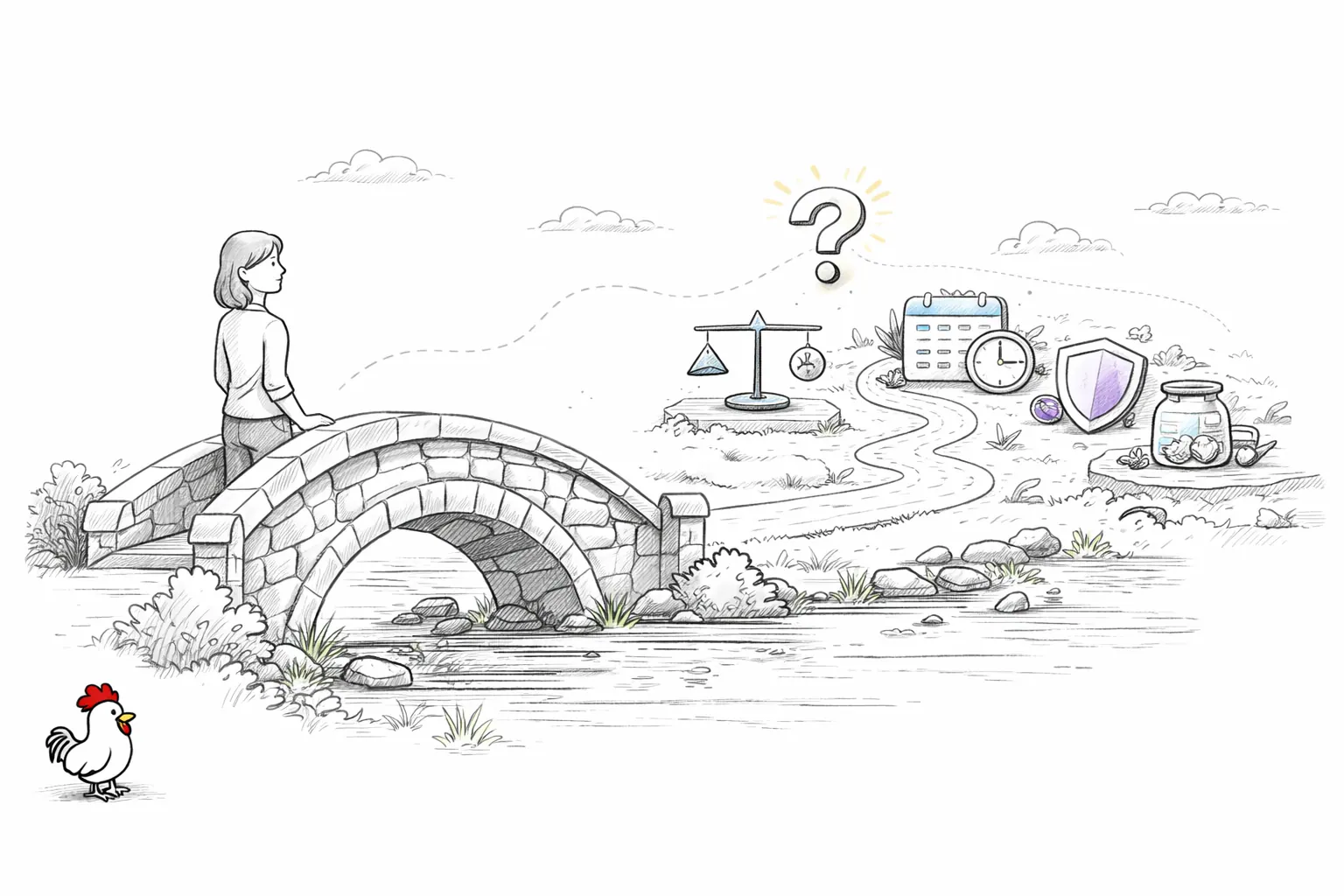
The strongest early approach is usually a combination: use legitimate visibility tools if they fit, then build your own file at the same time instead of stopping at the first shortcut that works.
Disclosure
Some lenders and credit scoring models may filter out, discount, or weigh authorized user tradelines differently in their underwriting decisions. Results vary based on lender policies, the scoring model used, and your full credit profile. An AU tradeline does not guarantee approval or any specific score outcome.
Weaving the Core: Establishing Strong Foundations
Once you have active accounts, the work becomes less about opening the door and more about showing consistent control. This is where payment history and credit utilization start carrying most of the weight.
That tighter range is not the only number that matters, but it gives you a practical ceiling when you want reported balances to stay comfortably low.
Credit Utilization
The percentage of your revolving credit that is in use compared with the total available limit. Lower reported utilization usually supports a stronger credit profile.
credit scoring
Expanding Your Roost: Growth, Diversification, and Resilience
As your file matures, the work changes again. At that point, it is not enough to add positive activity. You want a file that looks deeper, steadier, and more resilient over time.
Real-Life Scenarios Across the Credit Journey
The stages make more sense when you look at real situations.
1. Nico's Ascent from a Thin File
- Nico started with no real credit history and had trouble qualifying for an apartment. He became an authorized user on a relative's older, well-managed card, which may have helped his report show positive history after a few reporting cycles. He then opened a small secured credit card, kept purchases small, and paid them off consistently. He also used rent reporting to turn regular housing payments into additional positive activity. The authorized user account helped with visibility, but his own accounts were what made the file more durable.
2. Riley's Resilient Rebuilding
- Riley hit a rough patch that pushed some accounts into collections. Instead of searching for shortcut promises, she worked with nonprofit credit counseling to build a structured plan. After stabilizing the old debt, she focused on rebuilding with fresh positive activity, including a small credit-builder loan, reviewed her free credit reports for accuracy, and gave the file time to recover. The process was slower than a shortcut, but it was more realistic and more durable.
3. Tracy's Strategic Setup
- Tracy needed usable credit visibility for a background check and a new apartment lease. She used an authorized user tradeline as a short-term visibility tool, then opened a traditional account of her own and set up automatic payments immediately. That gave her a way to build visibility in the near term without relying entirely on borrowed history.
These examples point to the same pattern: an earlier start can help, but long-term progress still depends on your own habits, your own accounts, and your own follow-through.
The Apex of Your Roost: Maintaining Excellence
Reaching a stronger score does not end the credit journey. It changes the assignment. Once the file is more mature, the work becomes more defensive and more deliberate.
- Ongoing monitoring: Review your reports and statements for errors, suspicious activity, identity theft, and unexpected changes. Strong credit still gets damaged by bad data if you stop checking.
- Strategic inquiries: Hard inquiries matter less than late payments or high balances, but they still add friction. Apply only when there is a clear reason, especially before a major loan.
- Mindful account management: Keep balances controlled, preserve useful older accounts when practical, avoid closing them casually, and make sure your day-to-day money decisions still support the profile you want to protect.
What Mature Credit Holders Watch
| Focus area | Why it matters |
|---|---|
| Report accuracy | Catches errors before they create underwriting or pricing issues. |
| Application timing | Helps limit avoidable hard inquiries before major loans. |
| Older active accounts | Can preserve available credit and average account age. |
You do not need to micromanage every detail. You do need to watch the parts of the file that most often create preventable drag.
Your Credit Maintenance Checklist and Cadence
A mature file stays strong when you review it on a repeatable schedule instead of only reacting after something goes wrong.
Monthly
Check statements, payment status, and unusual activity across active accounts.
Quarterly
Rotate through your bureau reports so you are not waiting all year to review your file.
Before major loans
Lower balances early and avoid optional applications that can add noise.
Annually
Compare all reports, your credit mix, and your current strategy in one deeper check.
The practical cadence often looks like this:
- Monthly: Review credit card and loan statements, confirm automatic payments posted correctly, and keep an eye on utilization across all revolving accounts.
- Quarterly: Pull one report, compare it against your own records, and stagger the bureaus across the year so you are reviewing a different file every few months.
- Annually: Review all major reports together for consistency, assess whether your limits and account mix still make sense, and decide whether any old accounts need a small purchase to remain active.
Credit Journey Summary
- Create early visibility with legitimate reporting activity.
- Add self-owned accounts so your file reflects your own behavior.
- Protect every due date with a repeatable payment system.
- Keep revolving balances controlled before statement dates.
- Review reports often enough to catch errors and suspicious changes.
- Slow down unnecessary applications, especially before major loans.
- Use a structured reset after setbacks instead of chasing shortcut promises.
- Keep strong credit aligned with a stable spending plan.
Your Lifelong Roost
From the first small steps of becoming visible, through the discipline of on-time payments and low balances, to the longer work of protecting a mature file, your credit profile reflects repeated behavior over time. That is what makes it useful and what makes it vulnerable.
Strong credit can help support housing, lower borrowing costs, better financing options, and more flexibility when big financial decisions arrive. But the file only stays strong when you keep treating it like something that needs attention.
Perfection is not the target. What matters is a steady system that can recover when life gets messy and still avoid preventable setbacks.
Frequently Asked Questions
1. What is a thin file and how do I move past it?
- A thin file means you have very little usable credit history for lenders to evaluate. Moving past it usually means adding legitimate reporting activity, such as a starter account of your own, a small credit-builder loan, or another entry that reports consistently, and then building a track record of on-time payments and low balances.
2. Can an authorized user tradeline help me establish a file sooner?
- It may help some borrowers create earlier visibility if the account reports and remains in good standing. It is not a guarantee, and lenders or scoring models may treat authorized user tradelines differently.
3. When might I see changes in my file?
- The timing depends on your starting point, what gets reported, and whether the changes are tied to new positive activity or older negative marks. Some updates can appear after a few reporting cycles, while building your own steady history usually takes several months and deeper rebuilding often takes much longer.
4. Can I recover from collections or bankruptcy?
- Yes, but it usually requires patience and structure. Recovery is less about one shortcut and more about stabilizing cash flow, cleaning up what you can, and adding consistent positive activity over time through tools like secured cards or small credit-builder accounts.
5. How often should I check my credit reports?
- A practical routine is to monitor balances monthly and pull one bureau report every few months so you review the full file across the year. It is also smart to review your reports before applying for a major loan.
6. What matters most once I already have strong credit?
- Consistency and vigilance matter most. Strong files still need low utilization, on-time payments, careful applications, and regular report reviews to stay healthy.